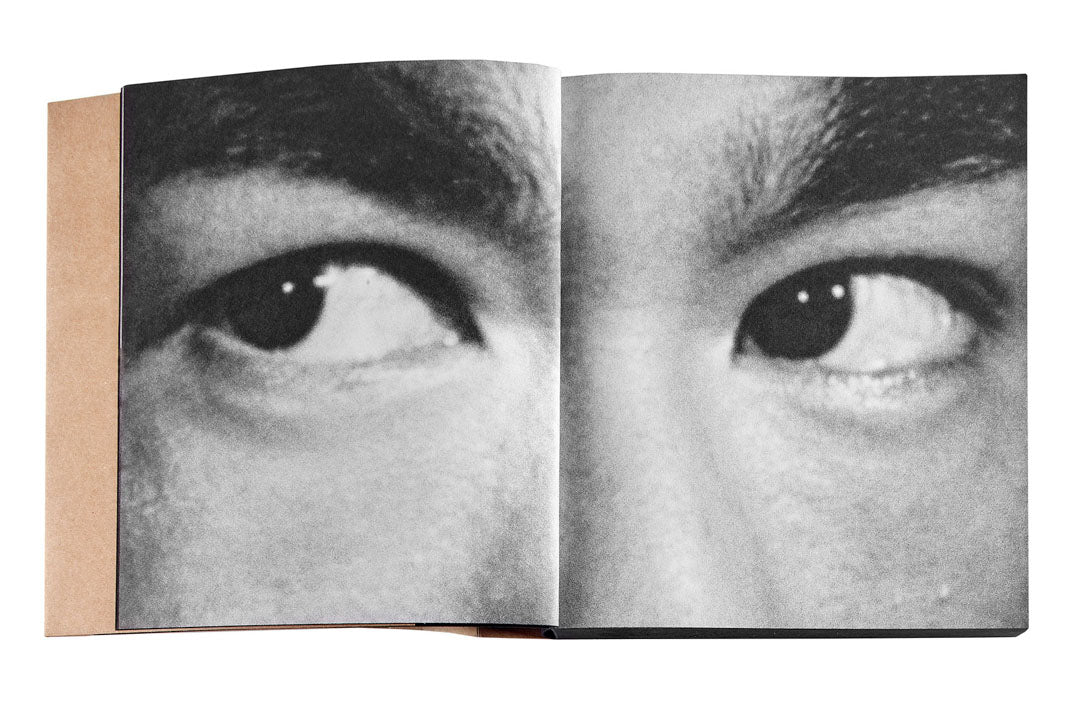
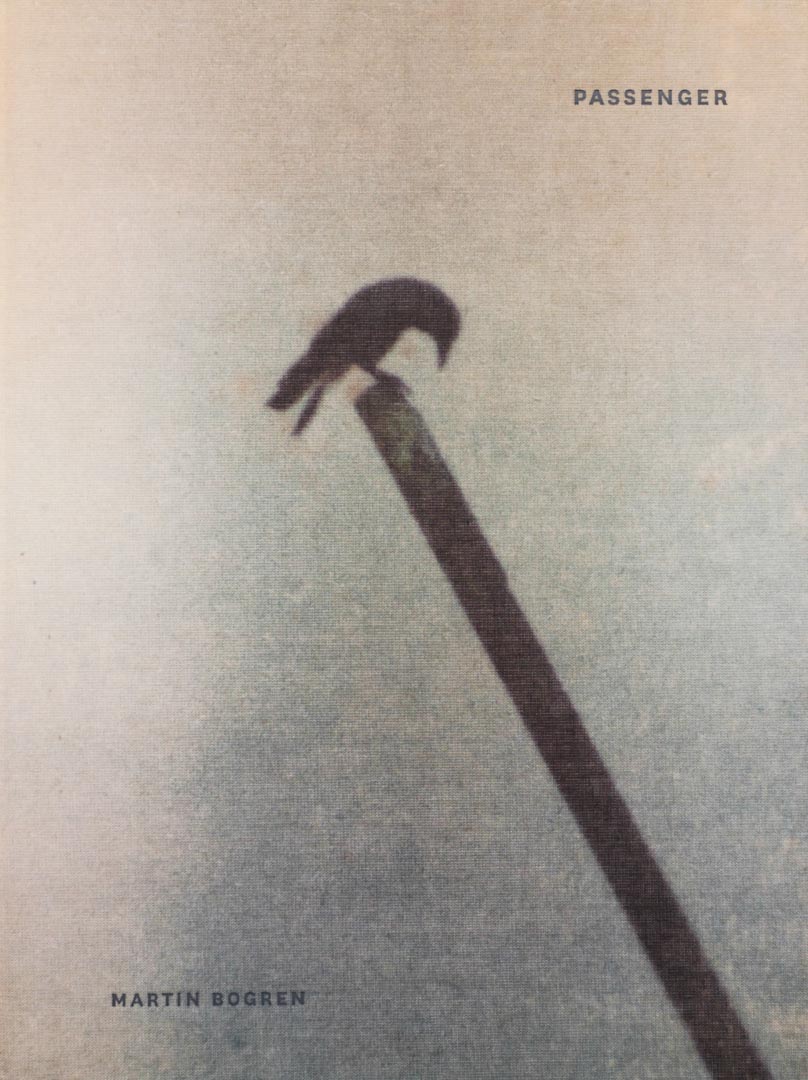
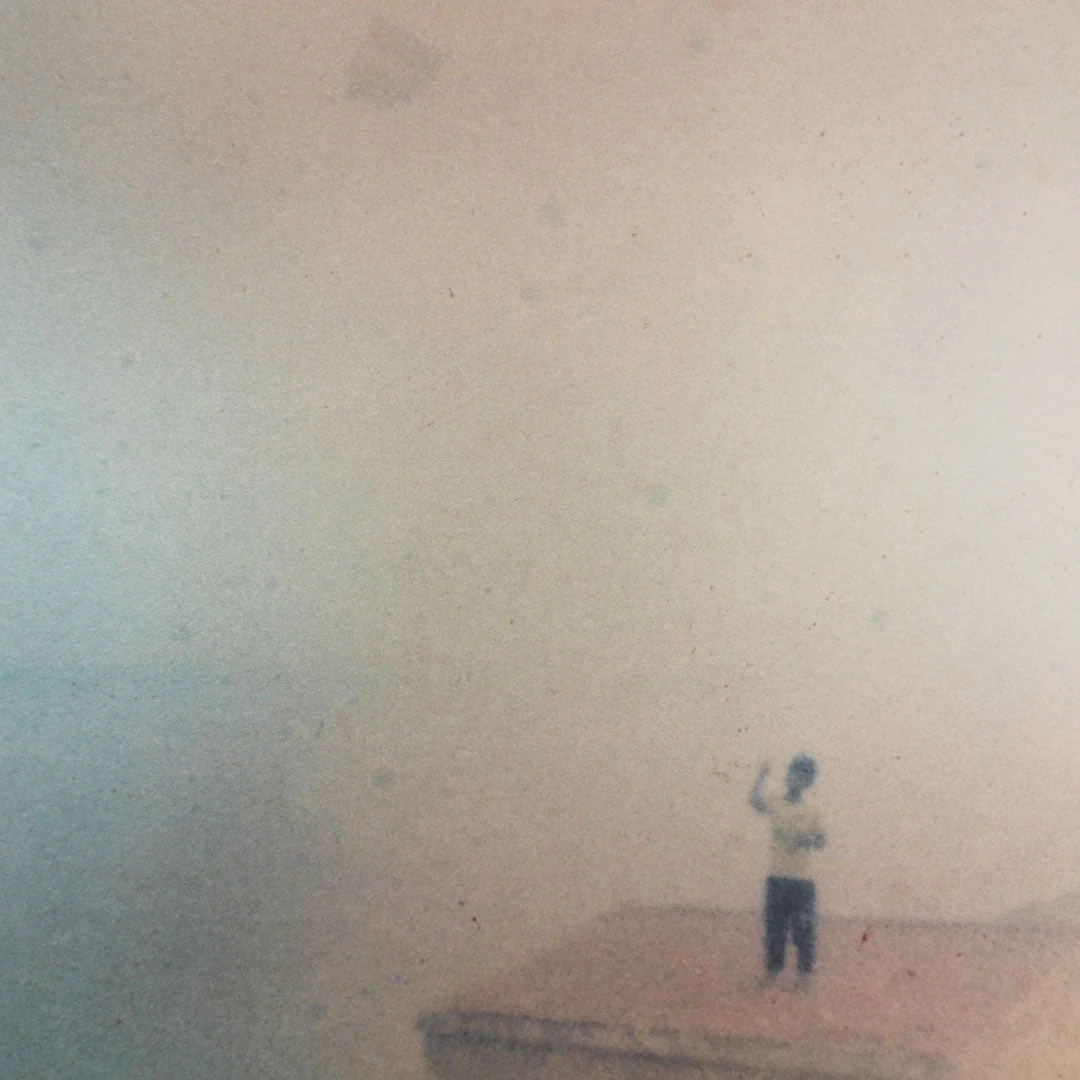
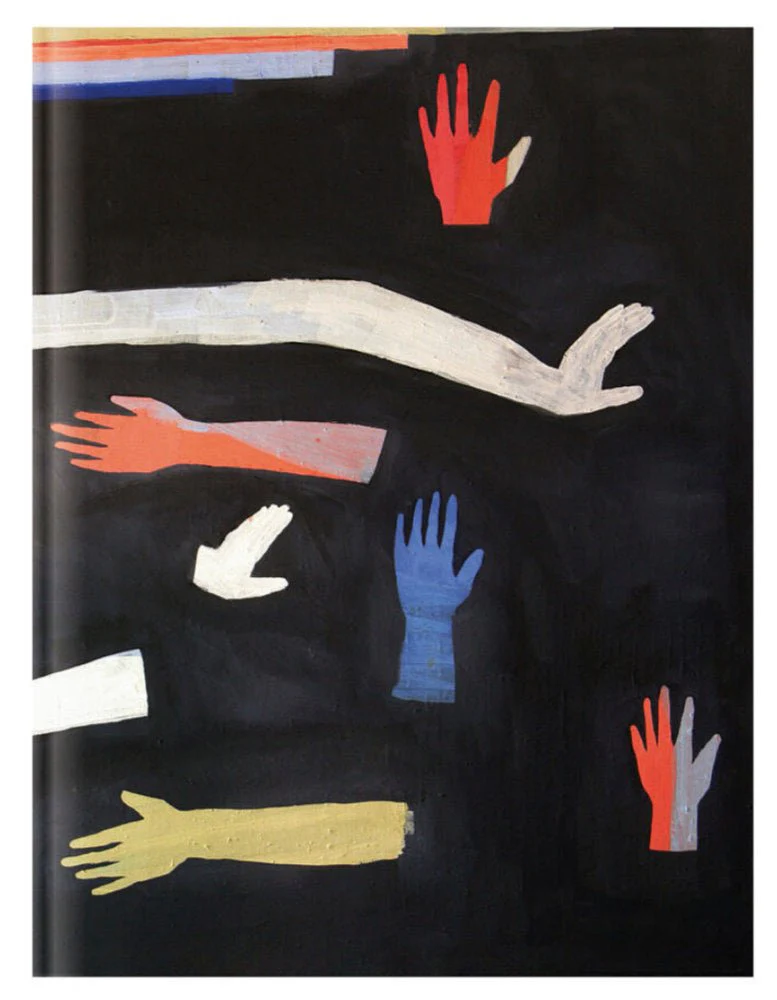
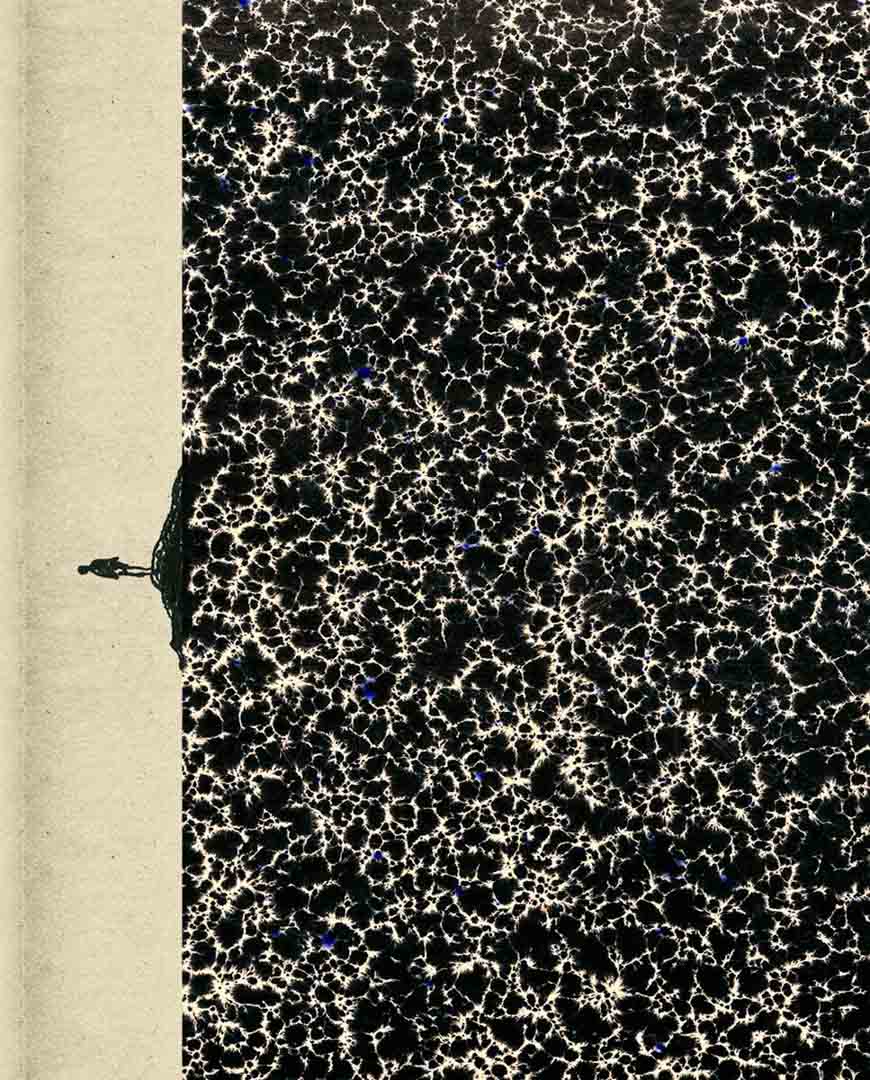
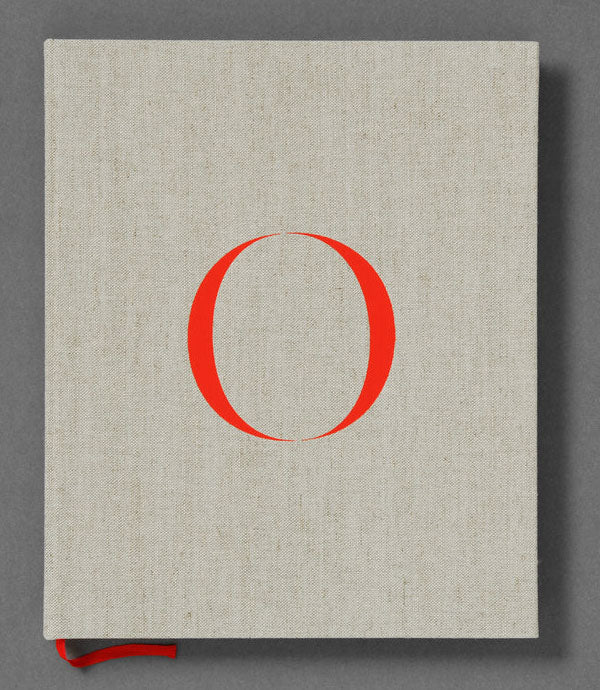
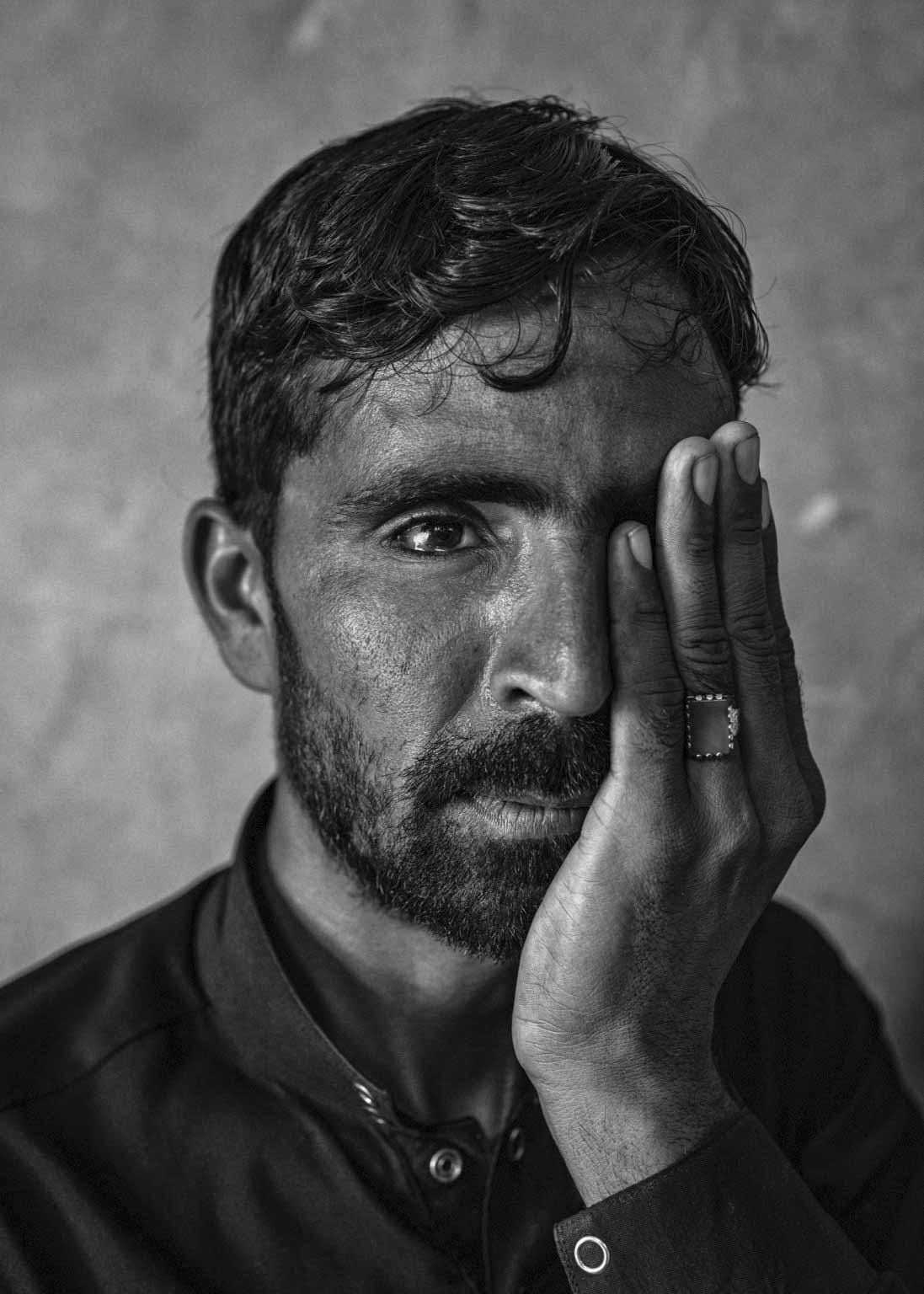
Kashmir Wait & See by Cédric Gerbehaye
What does it mean to wait for a future that never seems to arrive?
Book in français / english
Before the partition of the Indian subcontinent in 1947, this mountainous region had already been a stage for imperial rivalries: Russian and British powers confronted each other here in what came to be known as the Great Game. Since then, Kashmir has long stood between empires, nations, and ideas. Once crossed by cavalry, today it lies under watchful skies, where, in Indian-administered Kashmir, drones hum and the lives of ordinary people move carefully through checkpoints and silence. At its heart is a question that has never found an answer: who decides the fate of Kashmiris
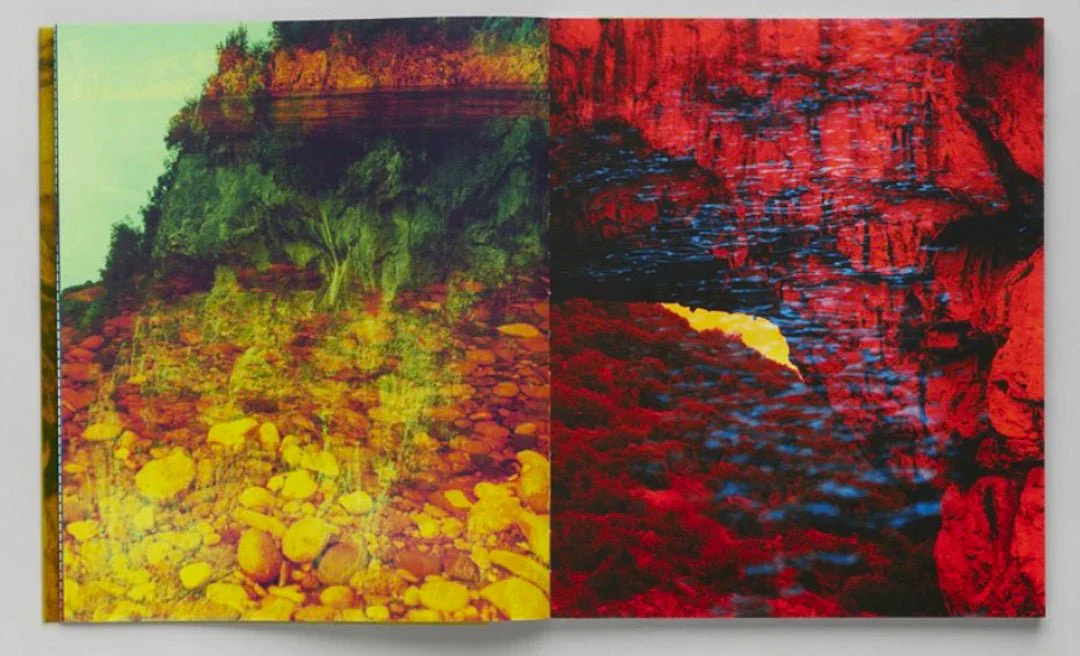
The partition marked the land with lines that time has not erased. When the British Empire withdrew, it left behind competing visions that stretched across mountains and valleys. Nehru’s dream of a secular India met Jinnah’s call for a Muslim homeland, and in that meeting, Kashmir became a space both desired and unsettled. The maharajah’s wavering, the arrival of tribal fighters, hurried signatures on fragile documents—all of it set in motion a story that has rolled on for decades, like river stones carried steadily downstream. The promised plebiscite stayed just out of reach, a distant shape in the mist, spoken of often but never brought close.
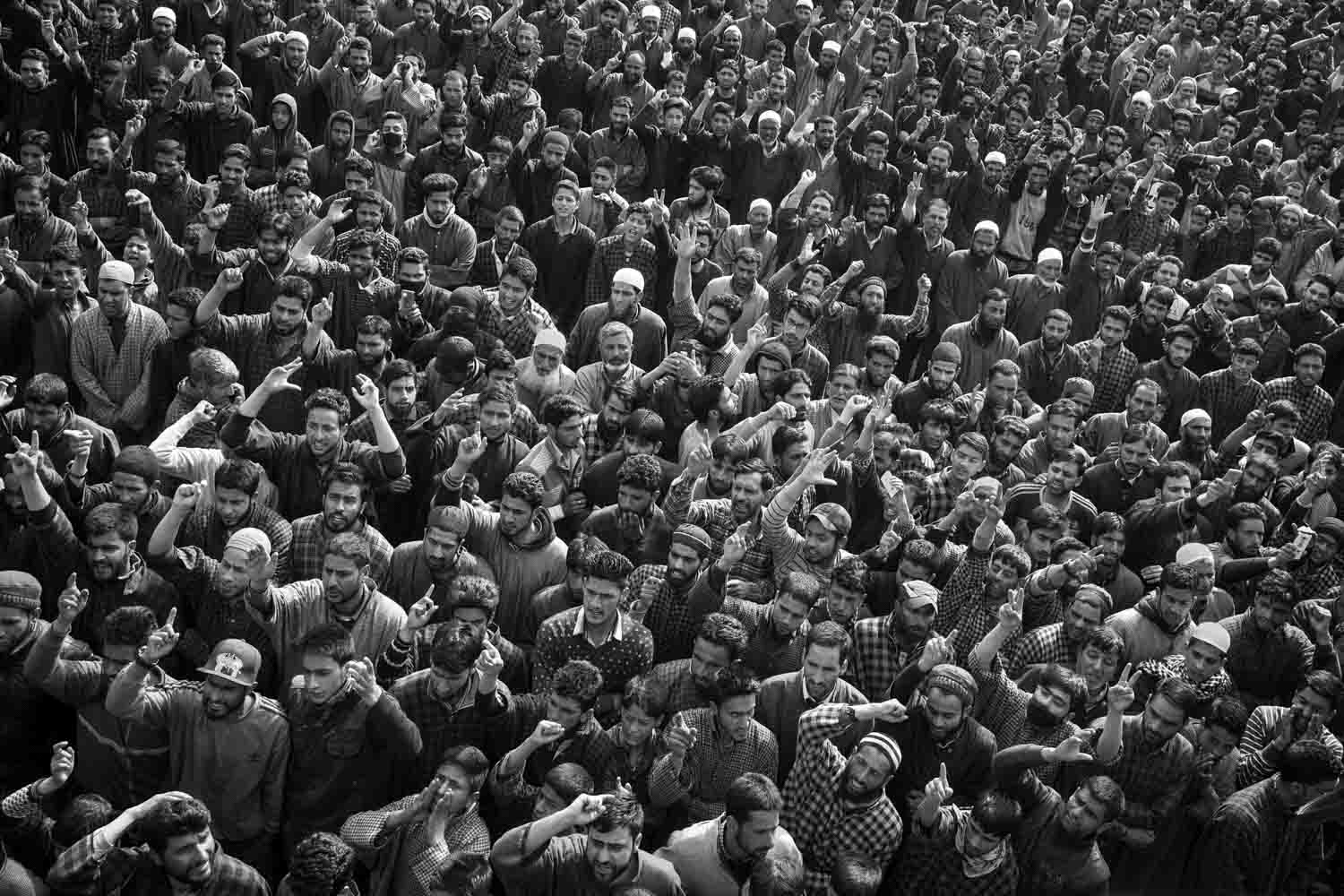
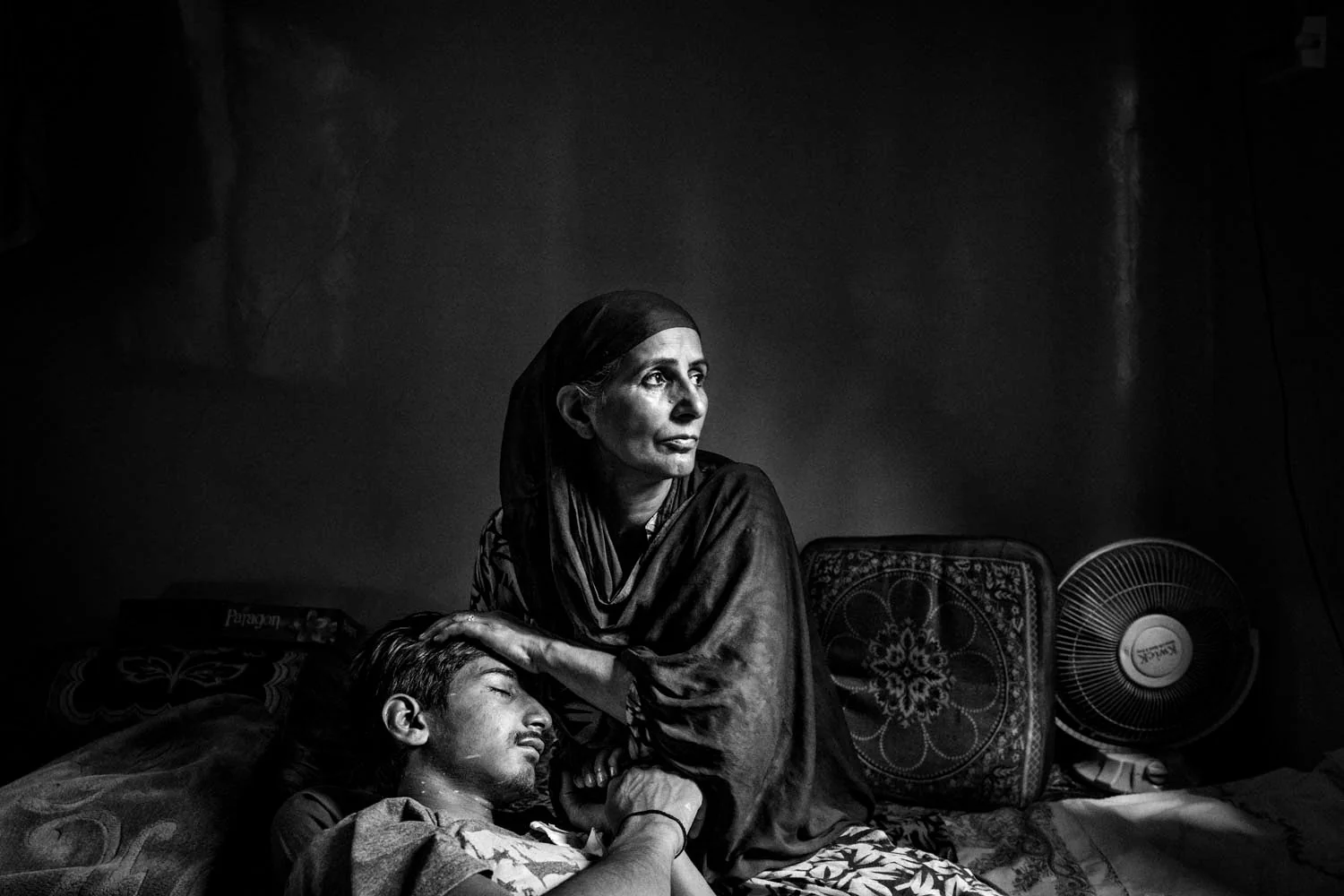
In Kashmir, the passing of time has never meant resignation. Generations have grown up beneath the weight of promises deferred: plebiscites that never came, resolutions that dissolved into the static of other crises. Yet Kashmiris have continued to assert their political will, calling for the referendum that was pledged to them. This persistence runs through language, through gestures, through how people speak about tomorrow. It is not passive; it is a form of quiet insistence. In this space between hope and deferred justice, people build lives, raise families, and dream with determination. You can feel it in the tea shared slowly on winter mornings, in the glances exchanged at checkpoints, in conversations that return again and again to the same fundamental questions. Time here is not simply endured—it is held, shaped, and contested.
And still, Kashmir refuses to fit into one single telling. Its valleys carry echoes of trade routes, prayers, and whispered songs. Its streets remember both resistance and survival. The world often looks away once the headlines fade, but Kashmir remains—watching, waiting, and quietly speaking to those who choose to listen. Perhaps the real question is not whether the world will return, but whether it is willing to truly hear what Kashmir has been saying all along.
Original: $51.94
-70%$51.94
$15.58More Images



Kashmir Wait & See by Cédric Gerbehaye
What does it mean to wait for a future that never seems to arrive?
Book in français / english
Before the partition of the Indian subcontinent in 1947, this mountainous region had already been a stage for imperial rivalries: Russian and British powers confronted each other here in what came to be known as the Great Game. Since then, Kashmir has long stood between empires, nations, and ideas. Once crossed by cavalry, today it lies under watchful skies, where, in Indian-administered Kashmir, drones hum and the lives of ordinary people move carefully through checkpoints and silence. At its heart is a question that has never found an answer: who decides the fate of Kashmiris
The partition marked the land with lines that time has not erased. When the British Empire withdrew, it left behind competing visions that stretched across mountains and valleys. Nehru’s dream of a secular India met Jinnah’s call for a Muslim homeland, and in that meeting, Kashmir became a space both desired and unsettled. The maharajah’s wavering, the arrival of tribal fighters, hurried signatures on fragile documents—all of it set in motion a story that has rolled on for decades, like river stones carried steadily downstream. The promised plebiscite stayed just out of reach, a distant shape in the mist, spoken of often but never brought close.
In Kashmir, the passing of time has never meant resignation. Generations have grown up beneath the weight of promises deferred: plebiscites that never came, resolutions that dissolved into the static of other crises. Yet Kashmiris have continued to assert their political will, calling for the referendum that was pledged to them. This persistence runs through language, through gestures, through how people speak about tomorrow. It is not passive; it is a form of quiet insistence. In this space between hope and deferred justice, people build lives, raise families, and dream with determination. You can feel it in the tea shared slowly on winter mornings, in the glances exchanged at checkpoints, in conversations that return again and again to the same fundamental questions. Time here is not simply endured—it is held, shaped, and contested.
And still, Kashmir refuses to fit into one single telling. Its valleys carry echoes of trade routes, prayers, and whispered songs. Its streets remember both resistance and survival. The world often looks away once the headlines fade, but Kashmir remains—watching, waiting, and quietly speaking to those who choose to listen. Perhaps the real question is not whether the world will return, but whether it is willing to truly hear what Kashmir has been saying all along.
Product Information
Product Information
Shipping & Returns
Shipping & Returns
Description
What does it mean to wait for a future that never seems to arrive?
Book in français / english
Before the partition of the Indian subcontinent in 1947, this mountainous region had already been a stage for imperial rivalries: Russian and British powers confronted each other here in what came to be known as the Great Game. Since then, Kashmir has long stood between empires, nations, and ideas. Once crossed by cavalry, today it lies under watchful skies, where, in Indian-administered Kashmir, drones hum and the lives of ordinary people move carefully through checkpoints and silence. At its heart is a question that has never found an answer: who decides the fate of Kashmiris
The partition marked the land with lines that time has not erased. When the British Empire withdrew, it left behind competing visions that stretched across mountains and valleys. Nehru’s dream of a secular India met Jinnah’s call for a Muslim homeland, and in that meeting, Kashmir became a space both desired and unsettled. The maharajah’s wavering, the arrival of tribal fighters, hurried signatures on fragile documents—all of it set in motion a story that has rolled on for decades, like river stones carried steadily downstream. The promised plebiscite stayed just out of reach, a distant shape in the mist, spoken of often but never brought close.
In Kashmir, the passing of time has never meant resignation. Generations have grown up beneath the weight of promises deferred: plebiscites that never came, resolutions that dissolved into the static of other crises. Yet Kashmiris have continued to assert their political will, calling for the referendum that was pledged to them. This persistence runs through language, through gestures, through how people speak about tomorrow. It is not passive; it is a form of quiet insistence. In this space between hope and deferred justice, people build lives, raise families, and dream with determination. You can feel it in the tea shared slowly on winter mornings, in the glances exchanged at checkpoints, in conversations that return again and again to the same fundamental questions. Time here is not simply endured—it is held, shaped, and contested.
And still, Kashmir refuses to fit into one single telling. Its valleys carry echoes of trade routes, prayers, and whispered songs. Its streets remember both resistance and survival. The world often looks away once the headlines fade, but Kashmir remains—watching, waiting, and quietly speaking to those who choose to listen. Perhaps the real question is not whether the world will return, but whether it is willing to truly hear what Kashmir has been saying all along.