Sealskin by Jeff Dworsky
Jeff Dworsky exemplifies my ideal of an artist—someone wholly absorbed in the act of living, with image-making emerging as a natural residue of that experience. Our paths first crossed a decade ago in a modest coffee shop on an island in Penobscot Bay. Upon noticing my Leica, he remarked, “I used to shoot with a Leica.” That brief exchange marked the beginning of a friendship that would unfold through a shared reverence for photography and lived memory.

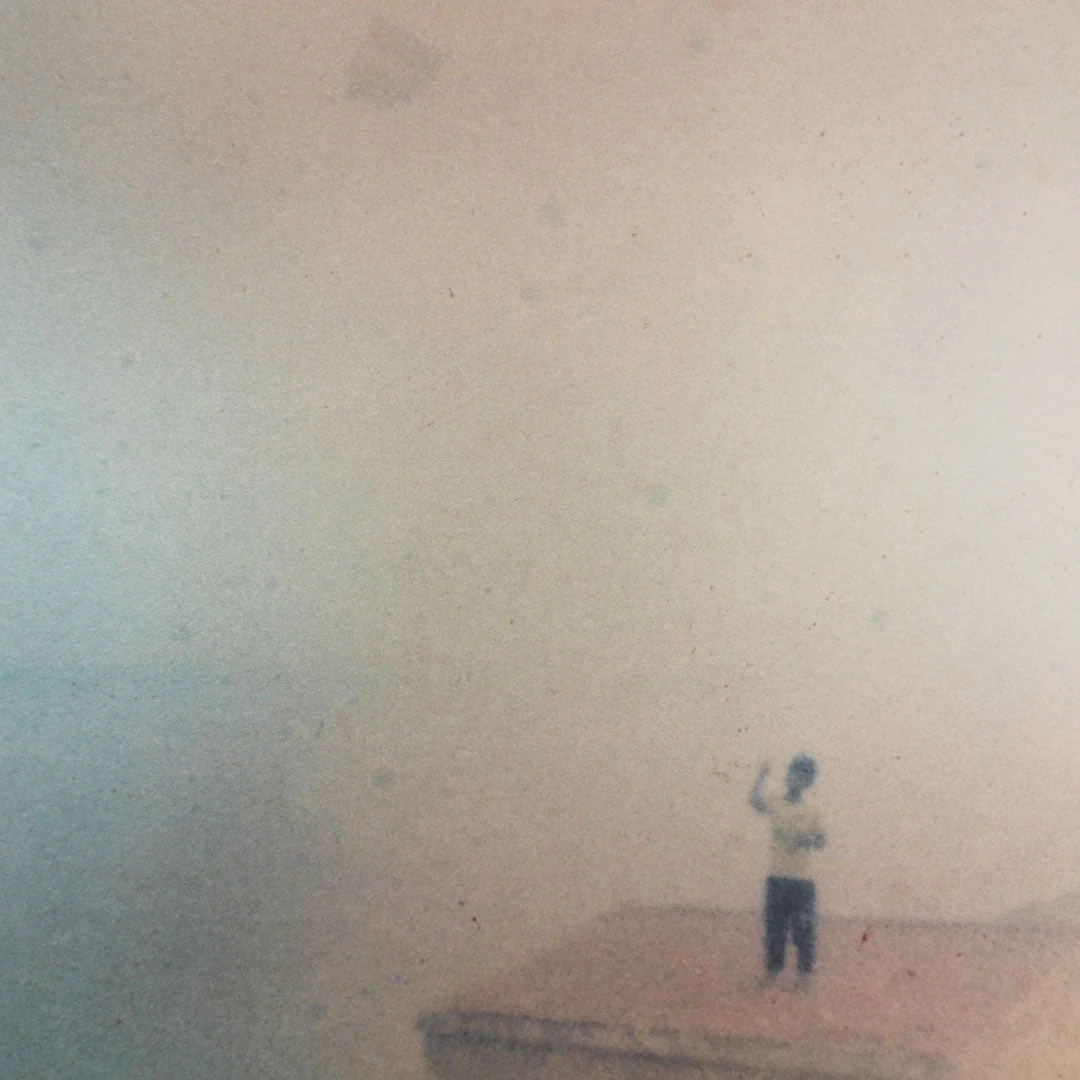
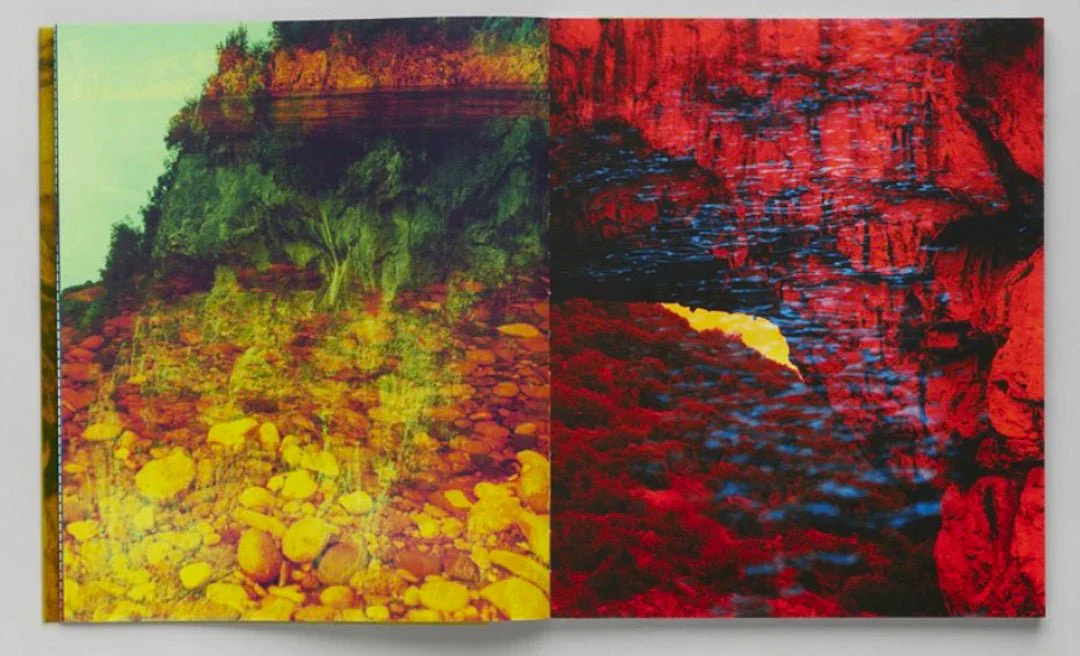
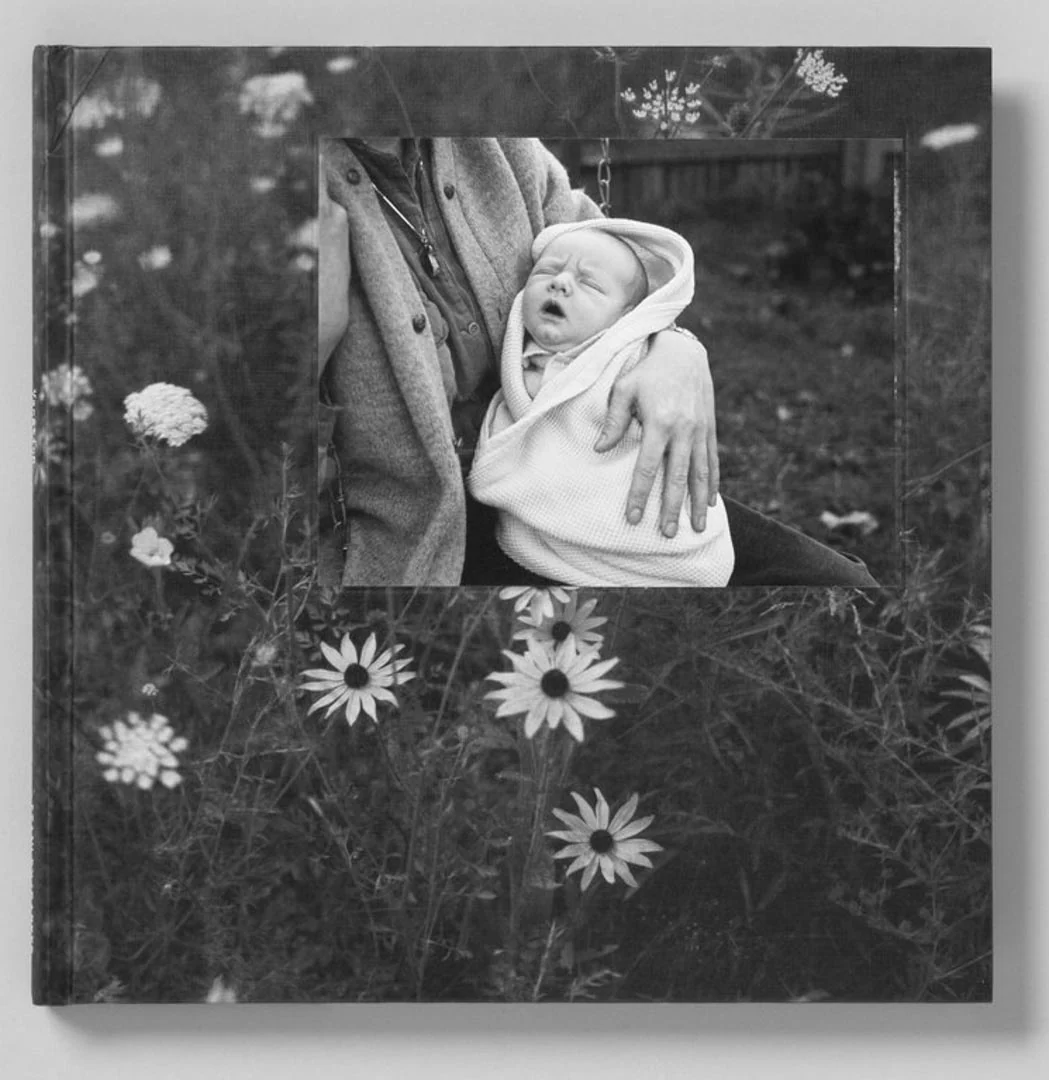
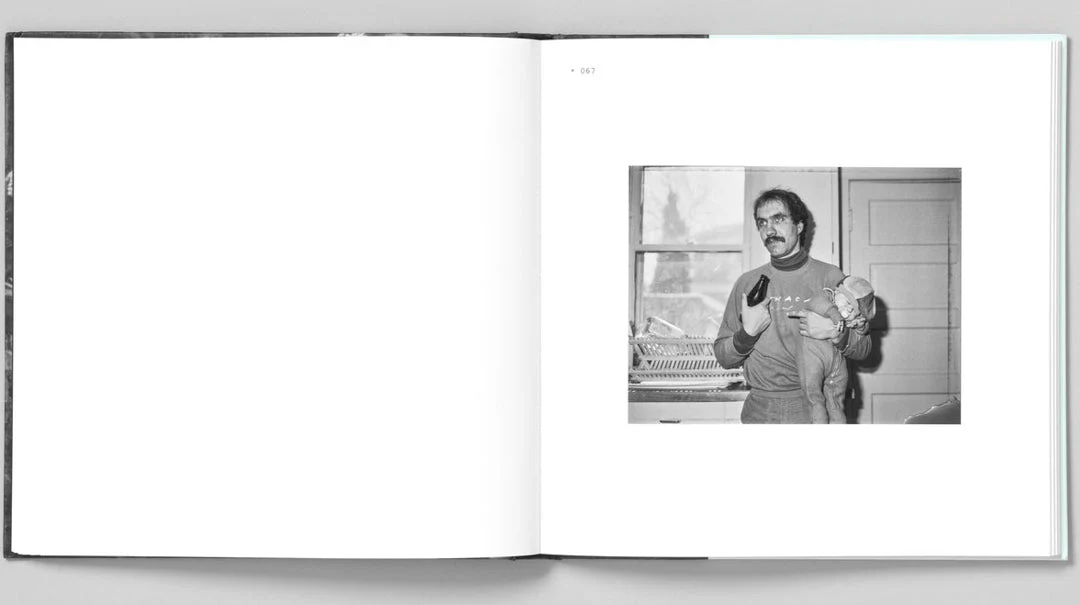
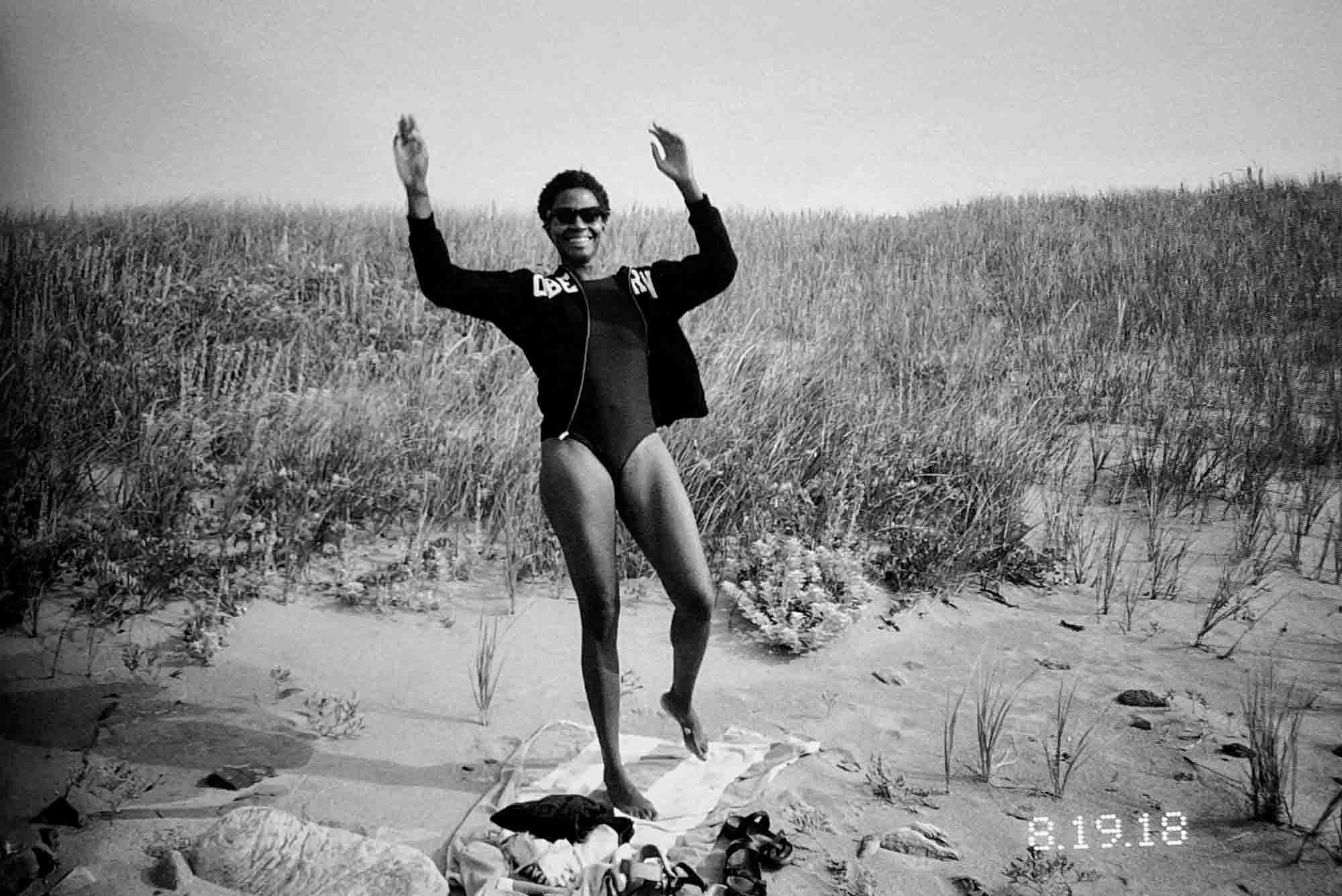
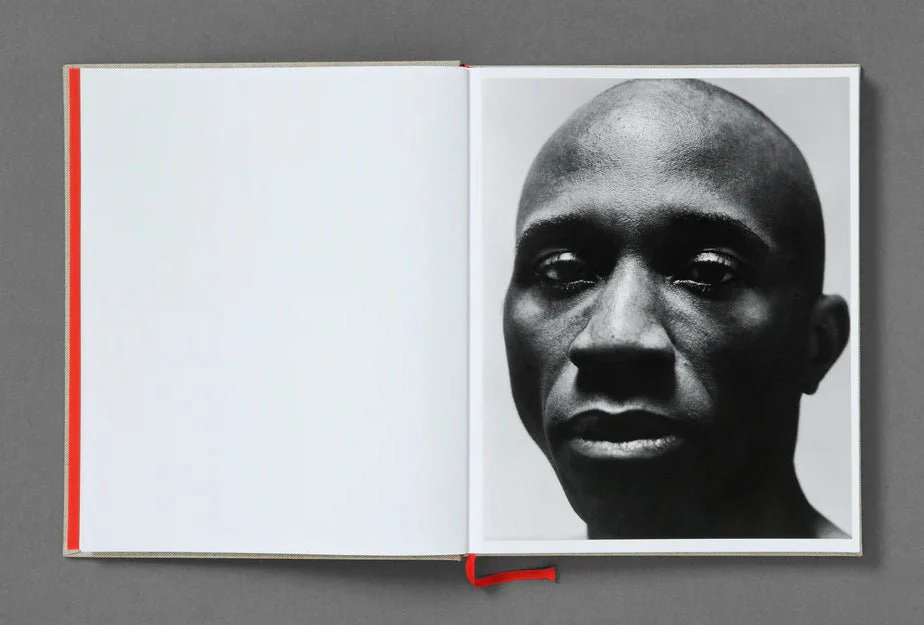
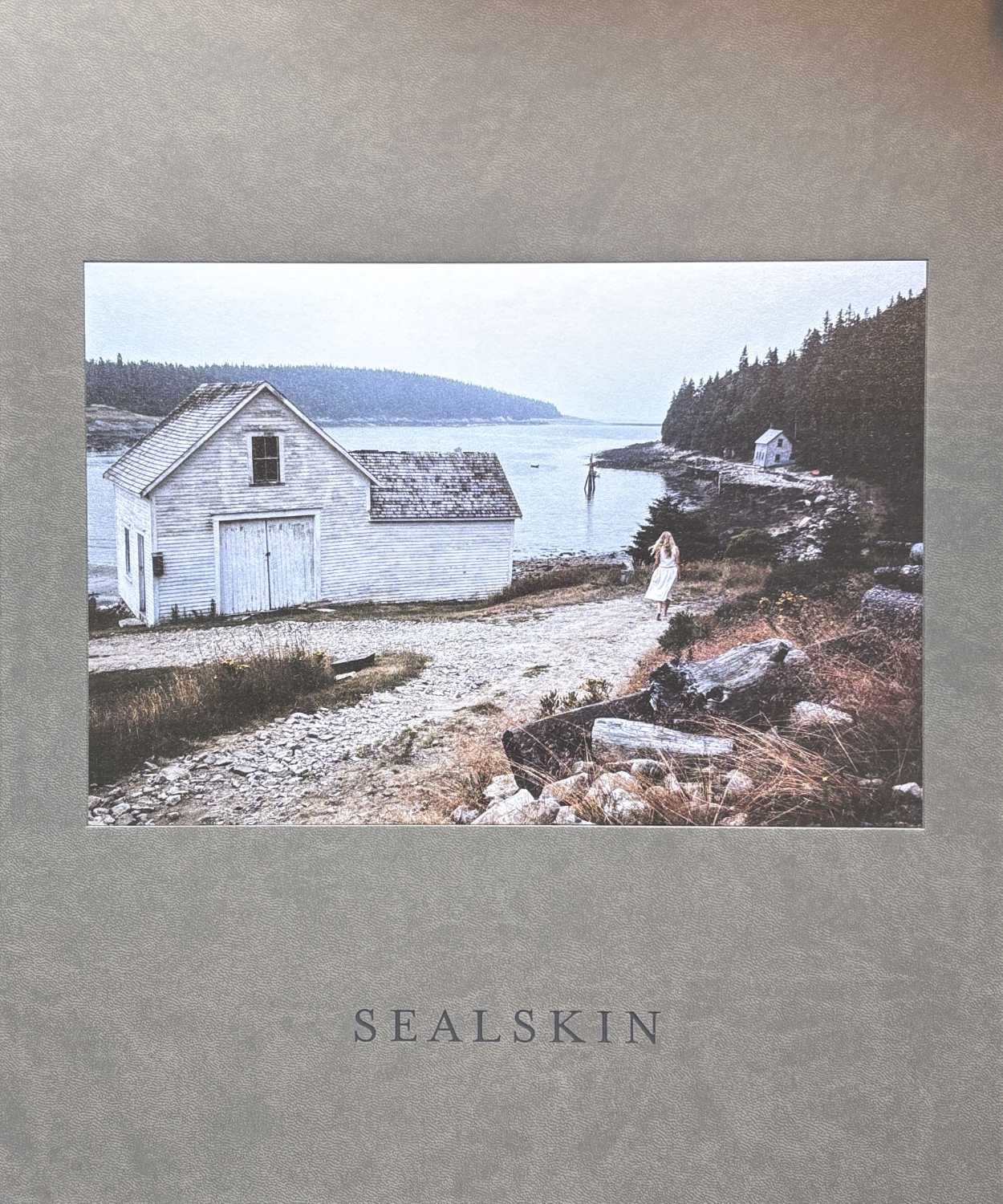
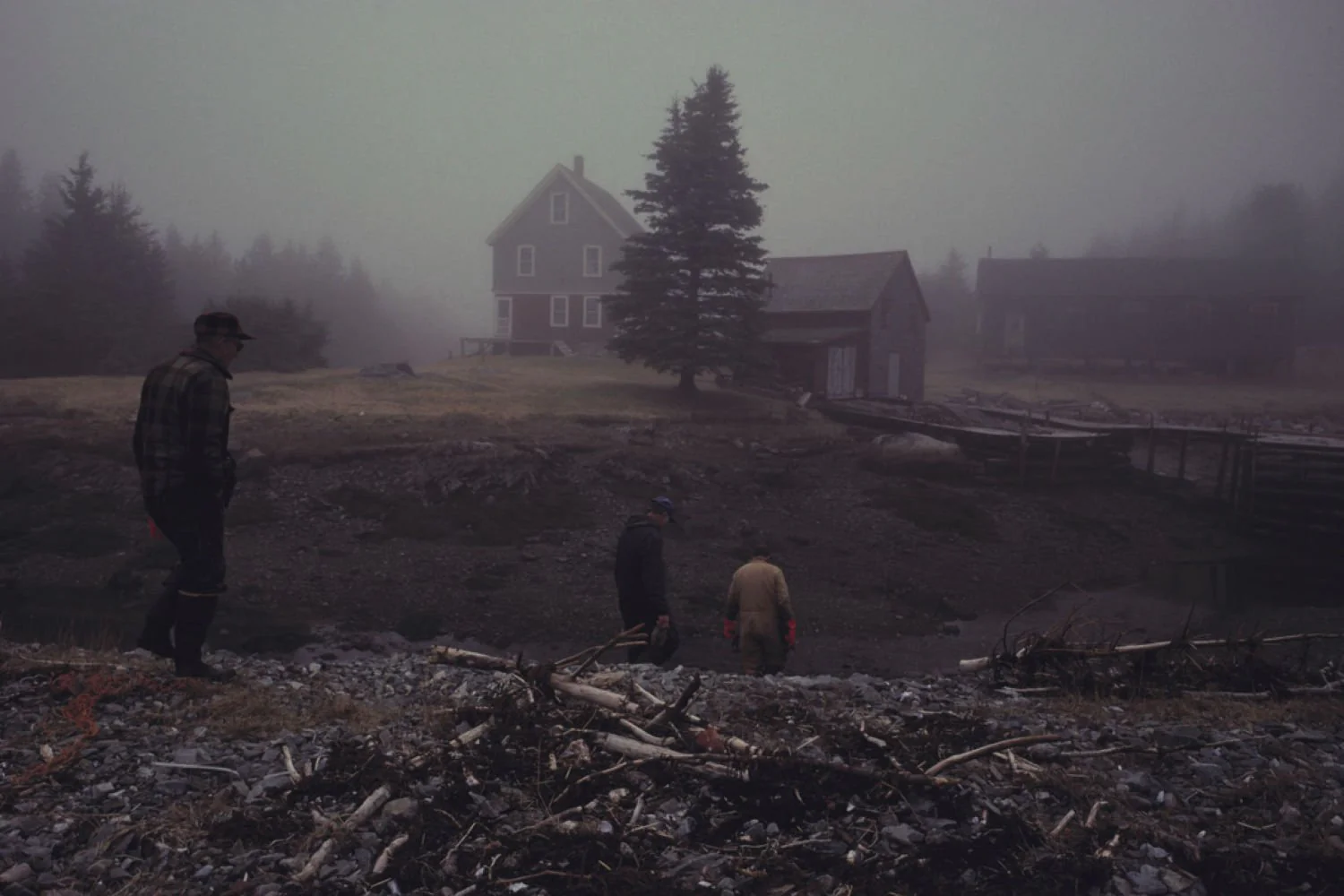
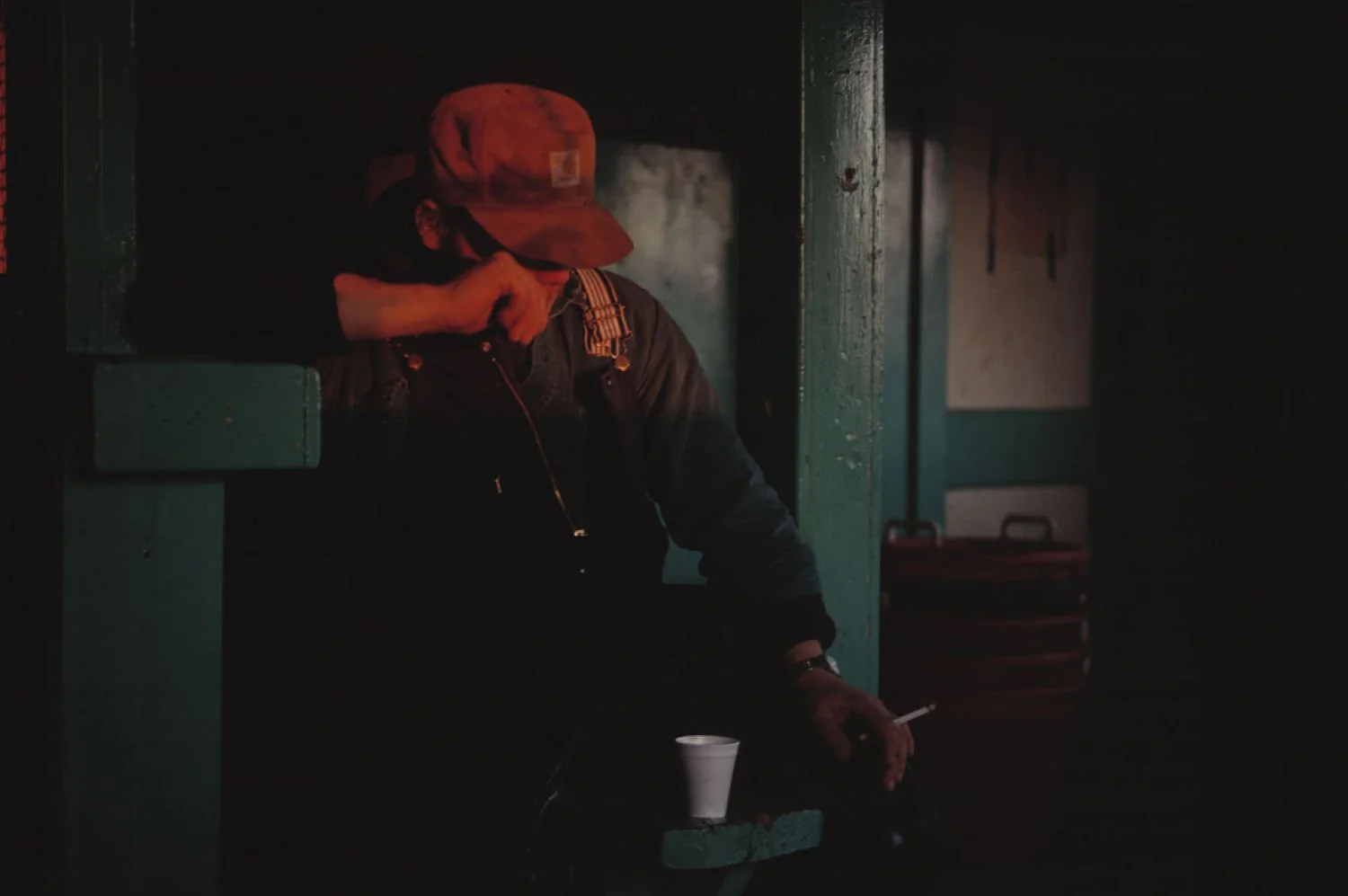
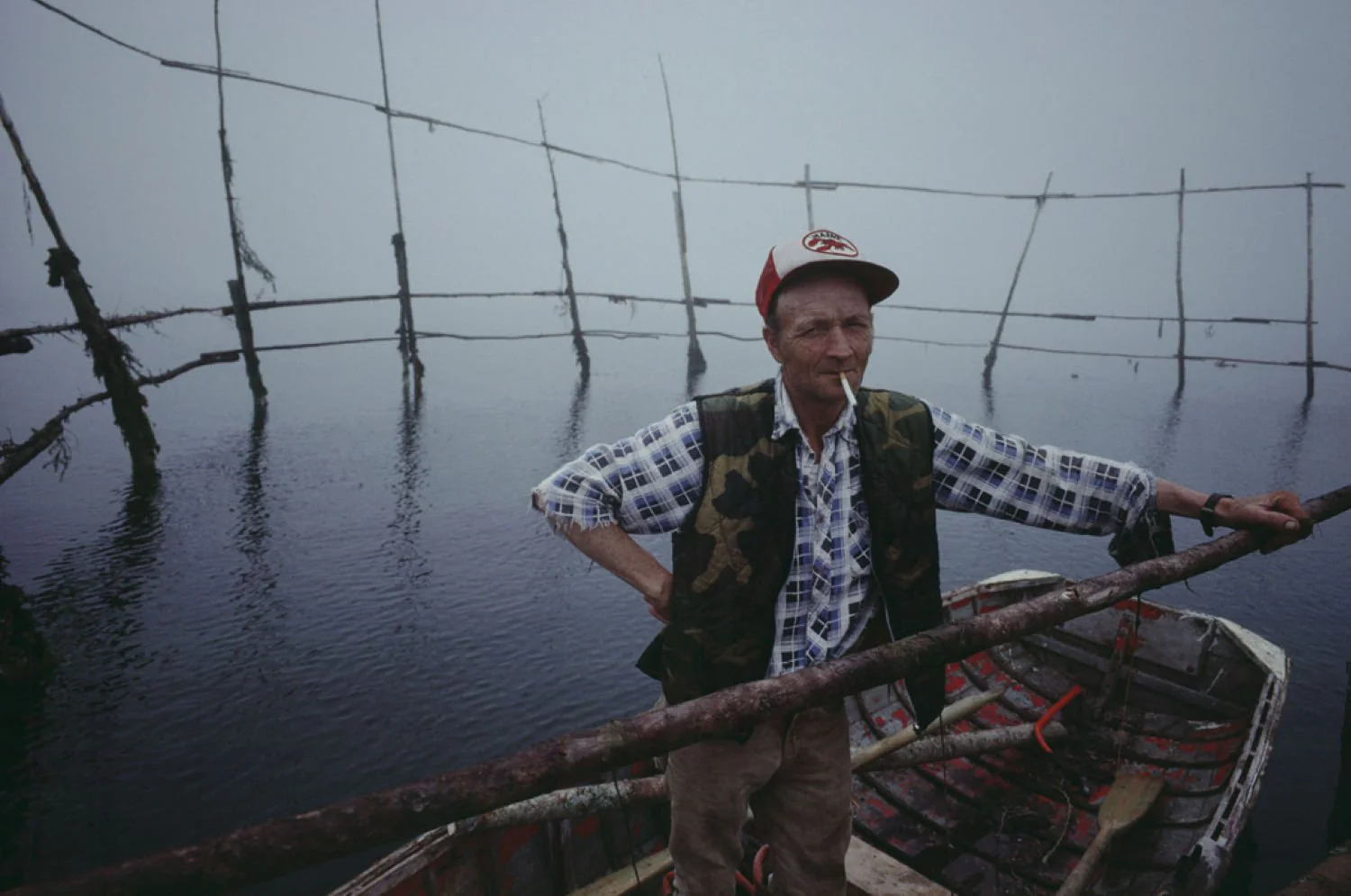
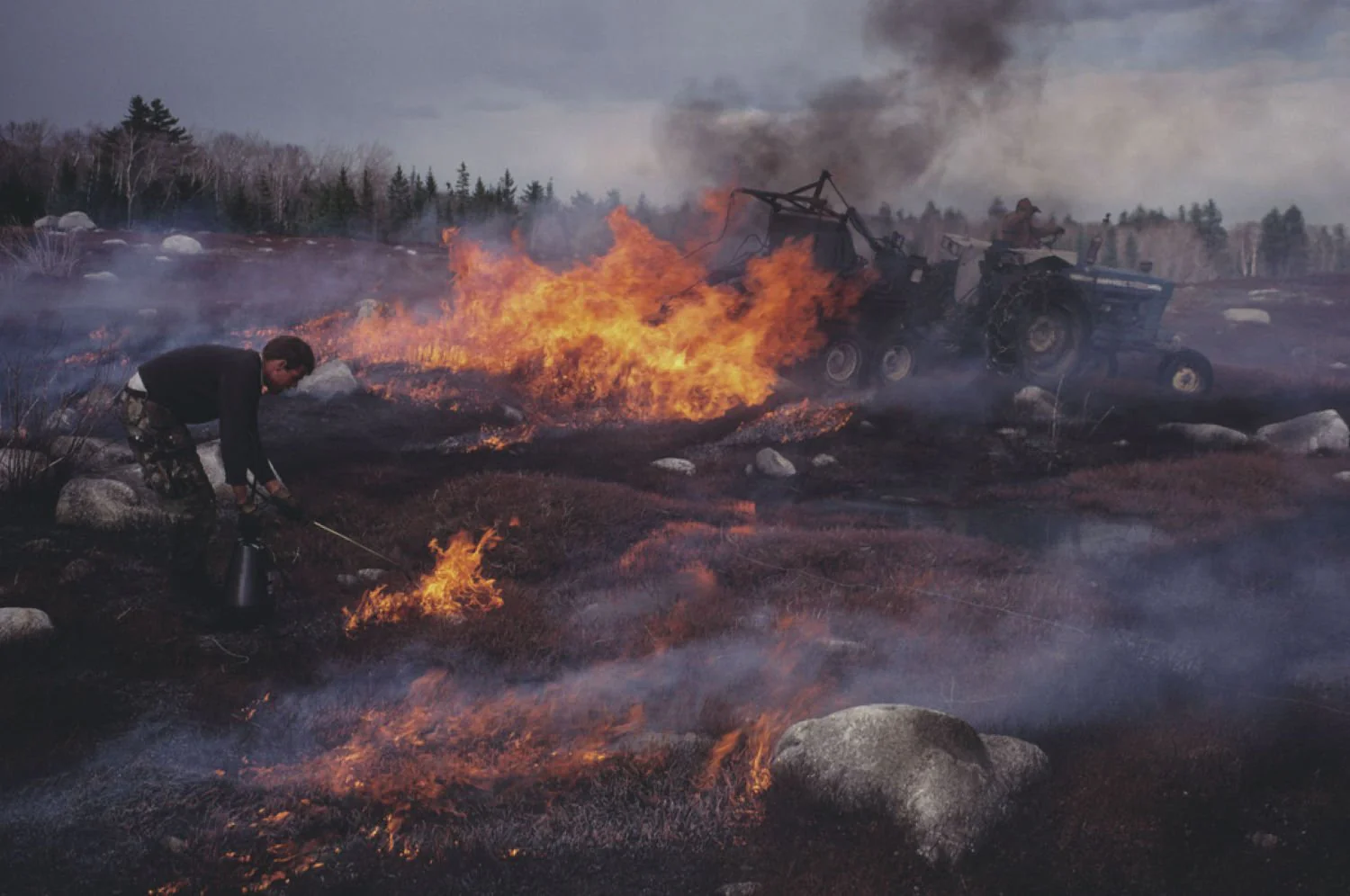
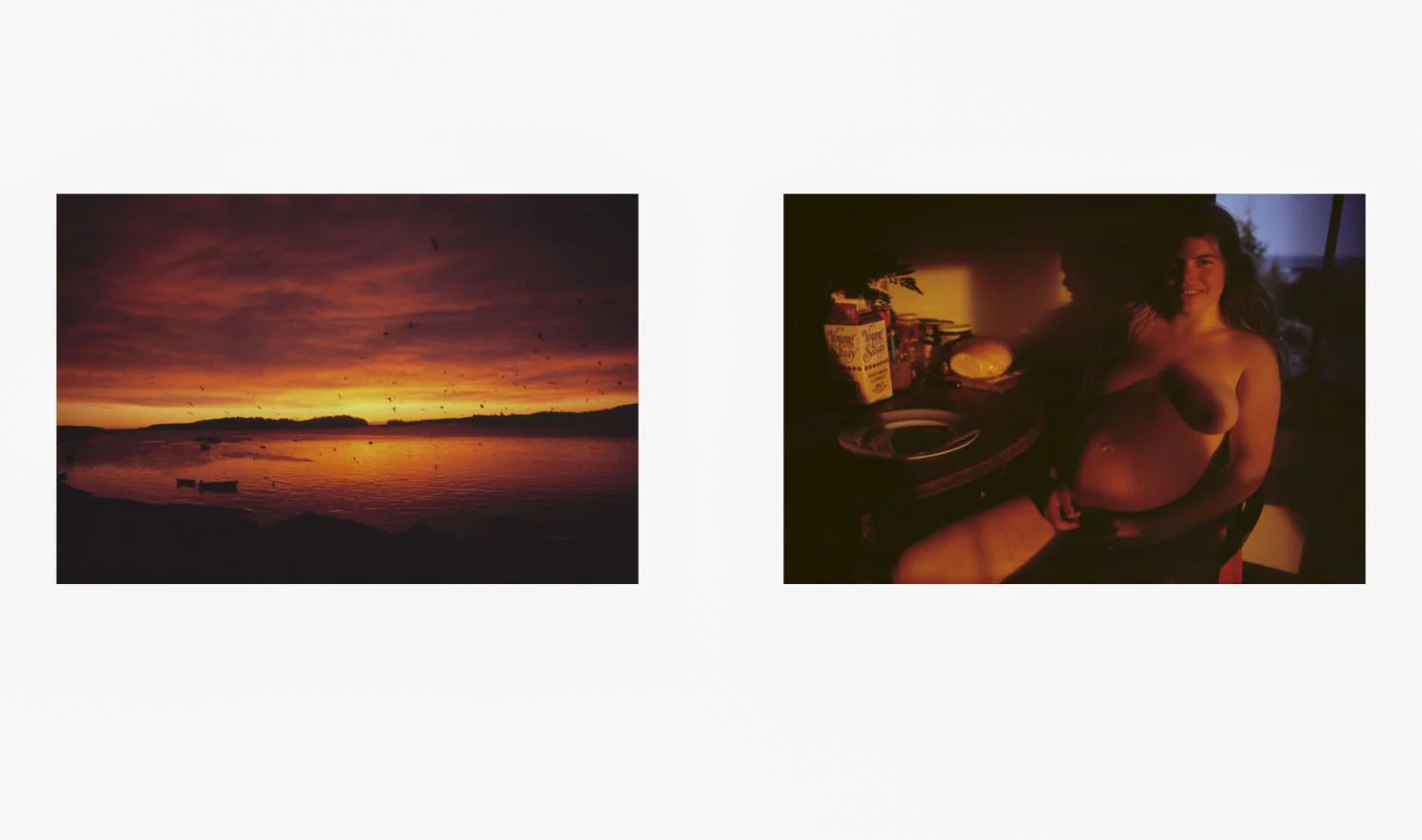
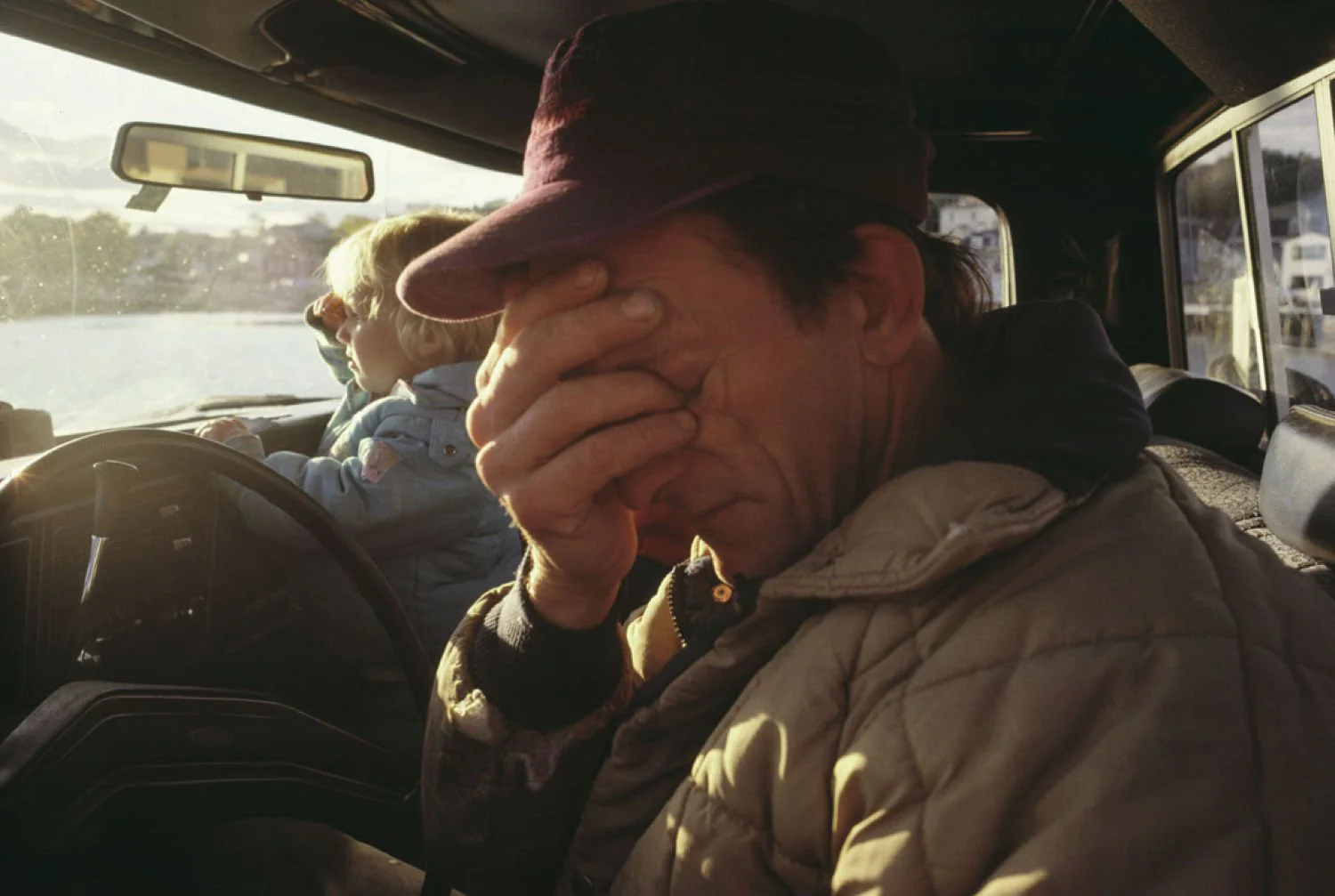
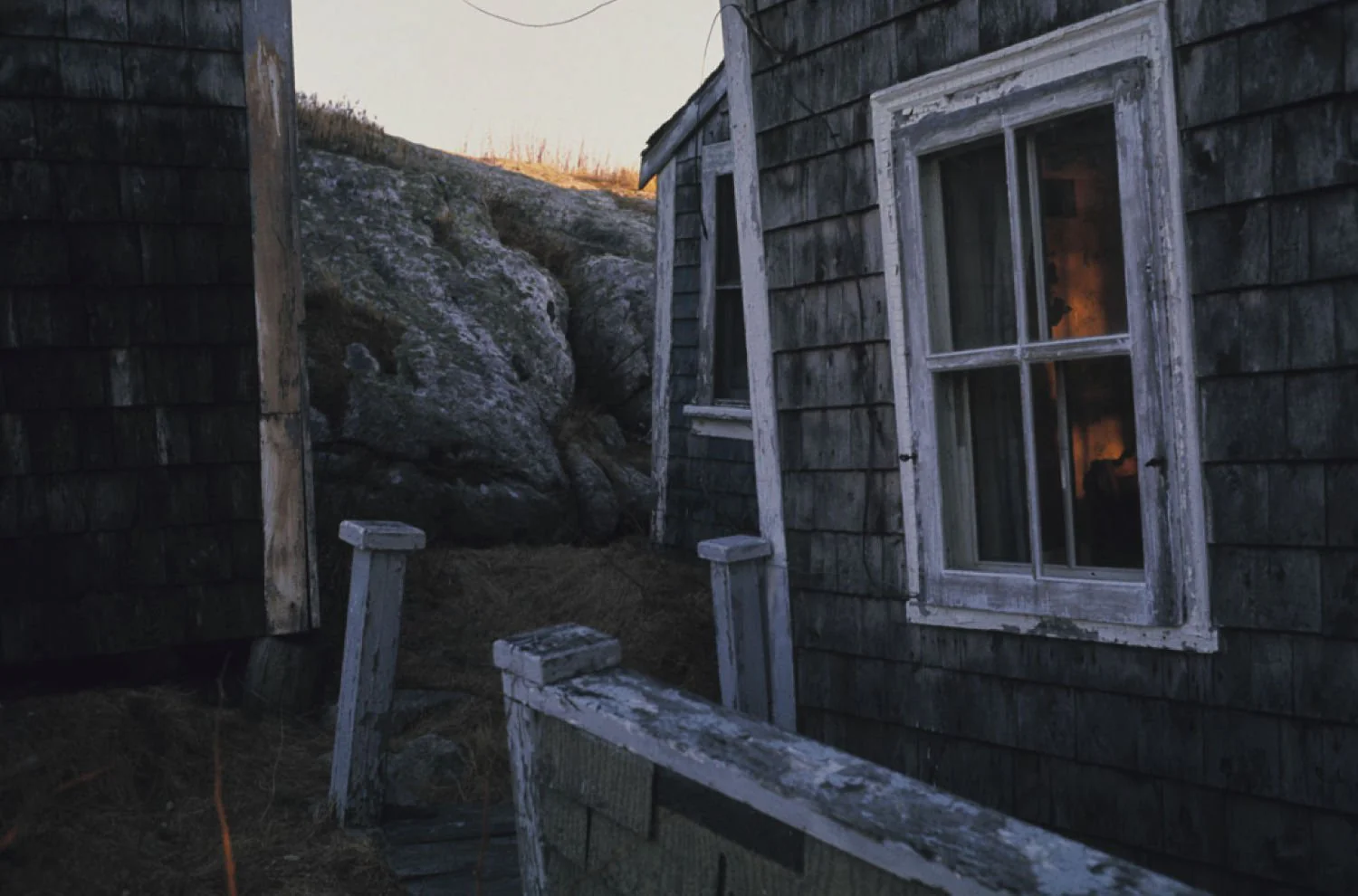
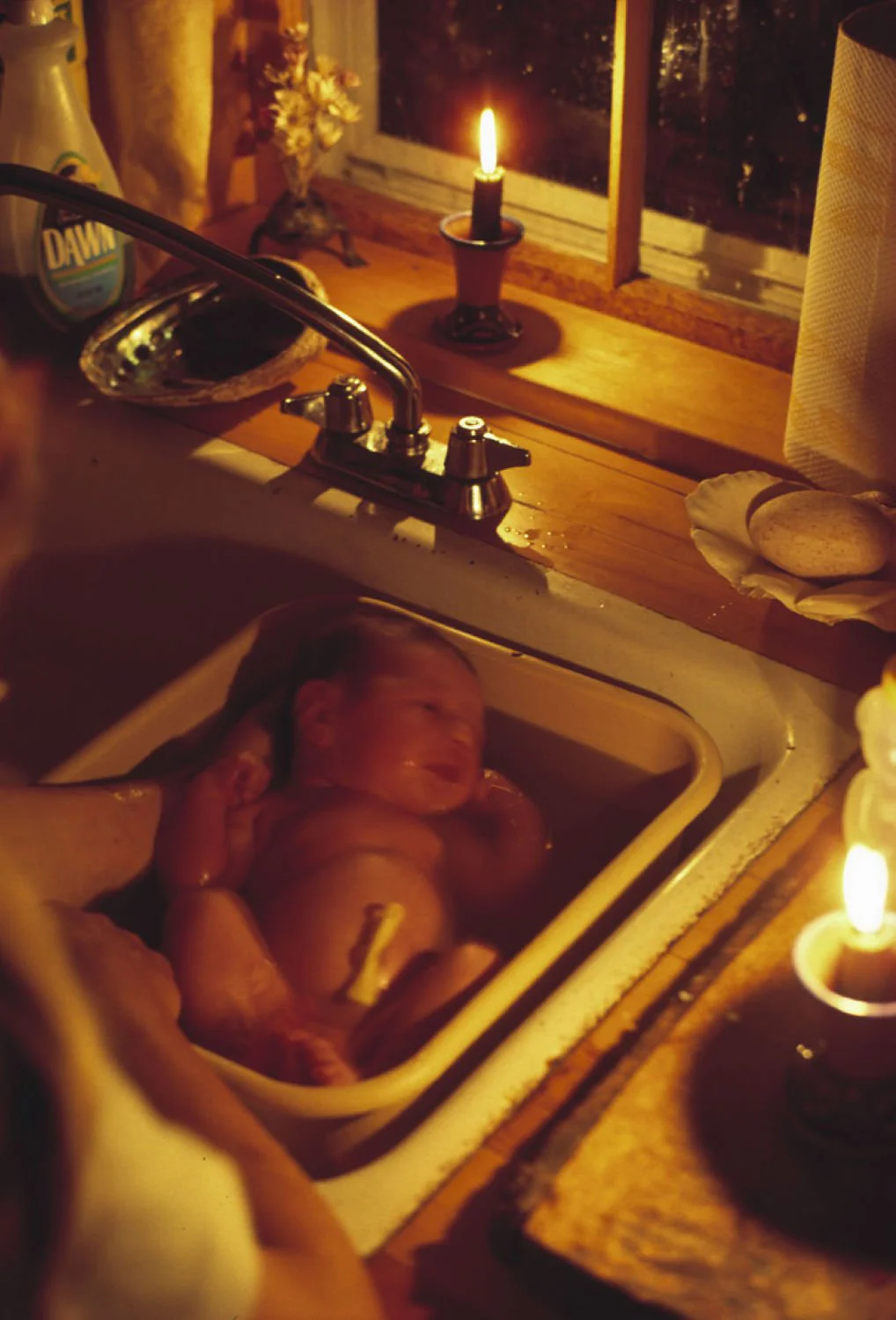
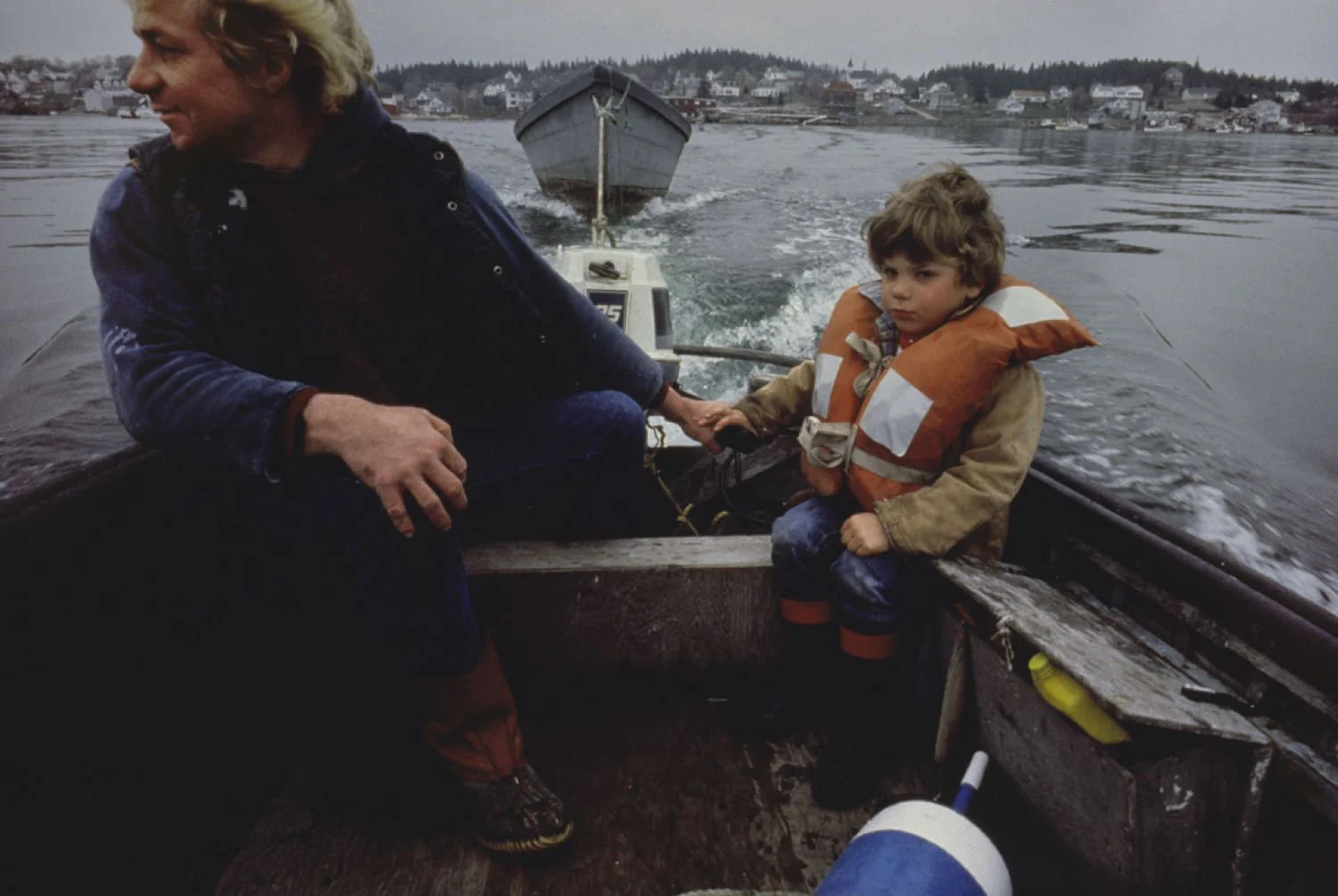
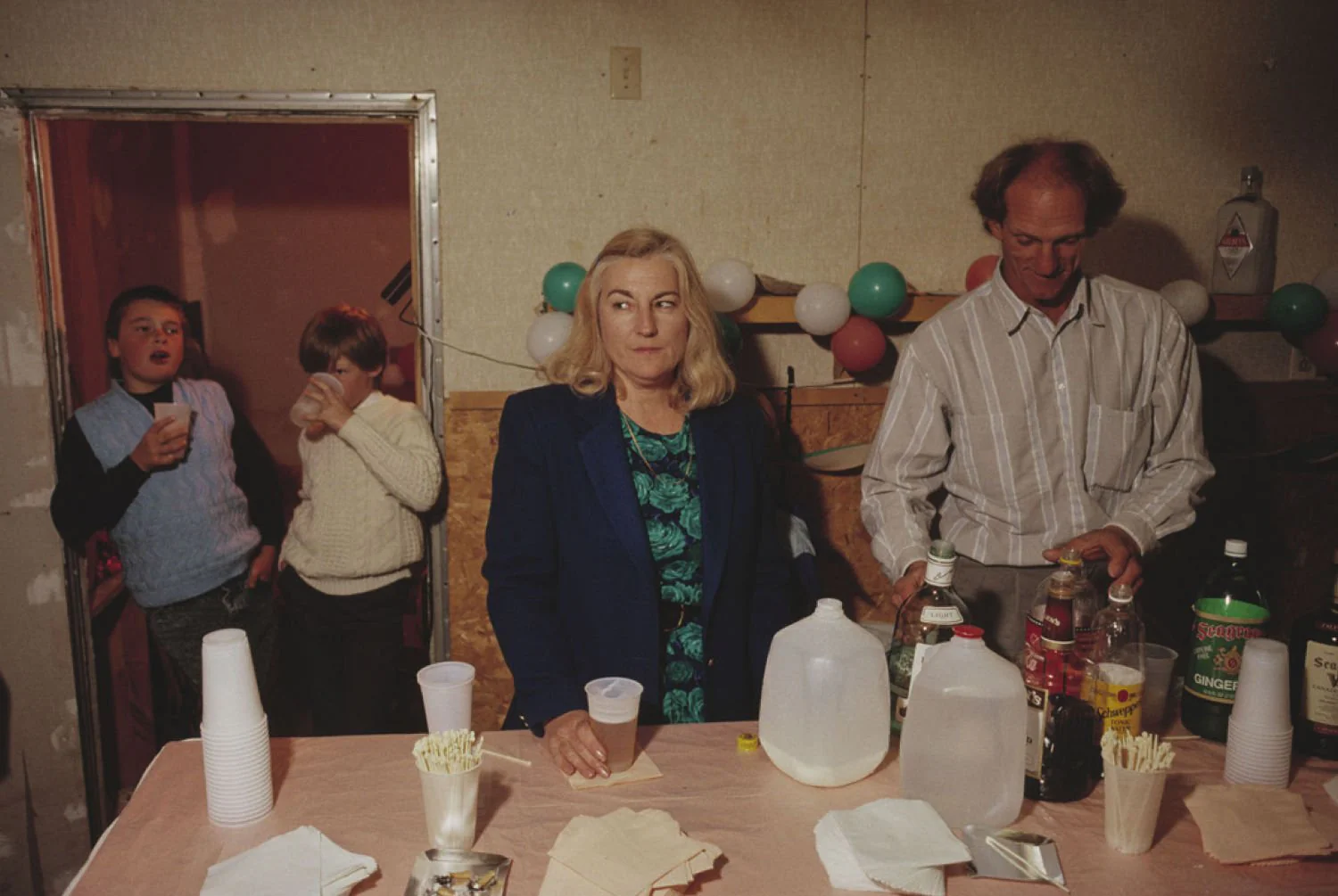
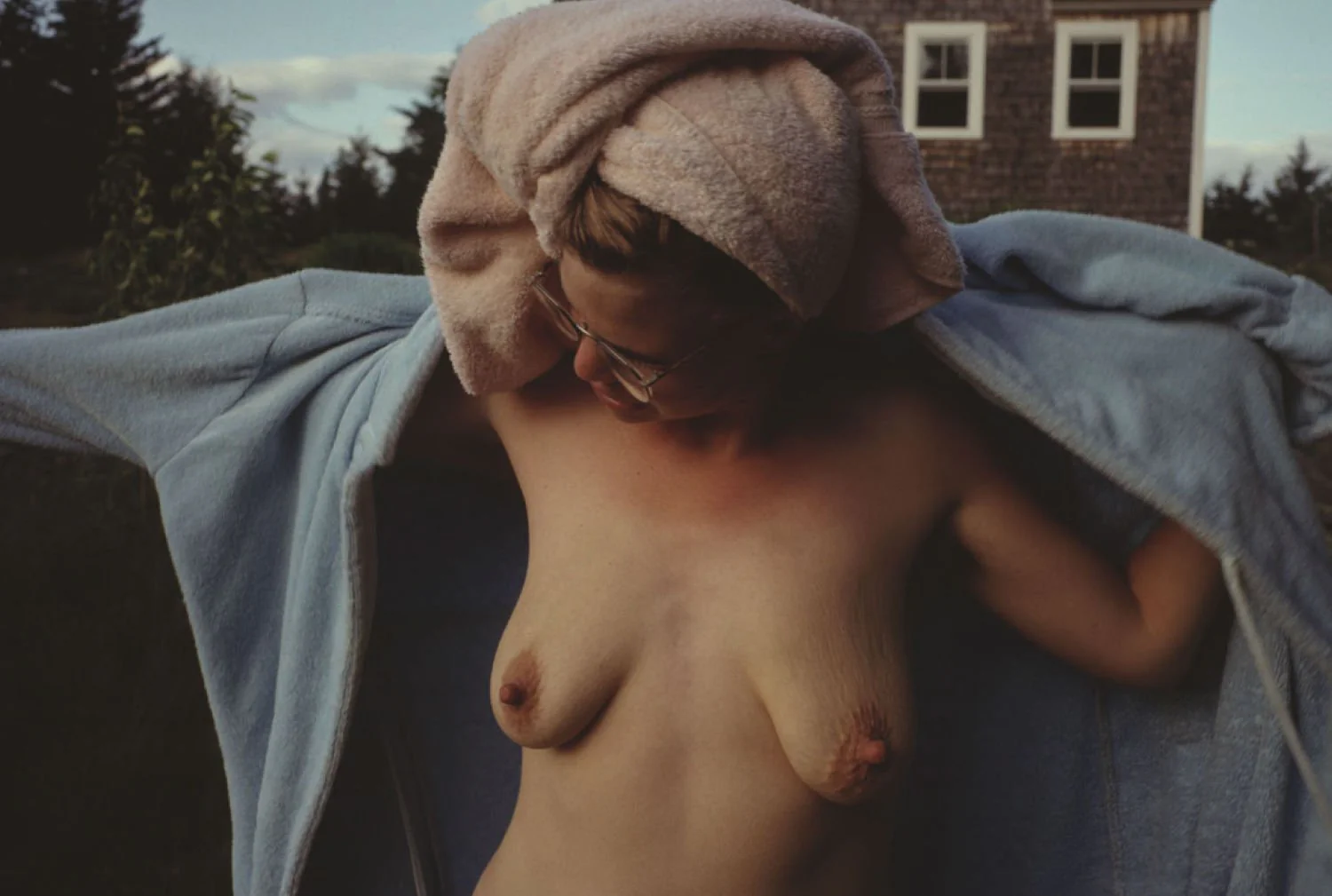
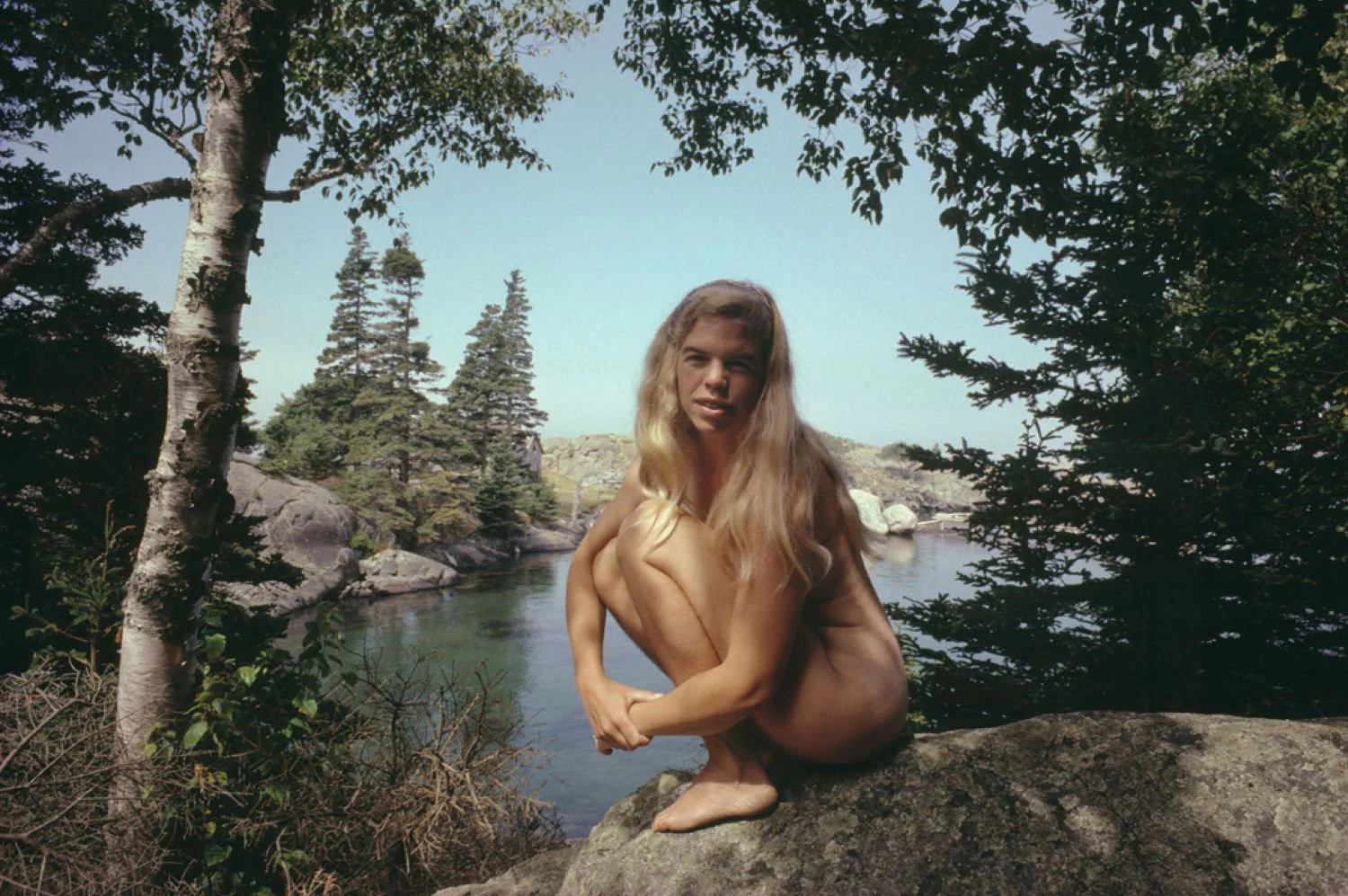
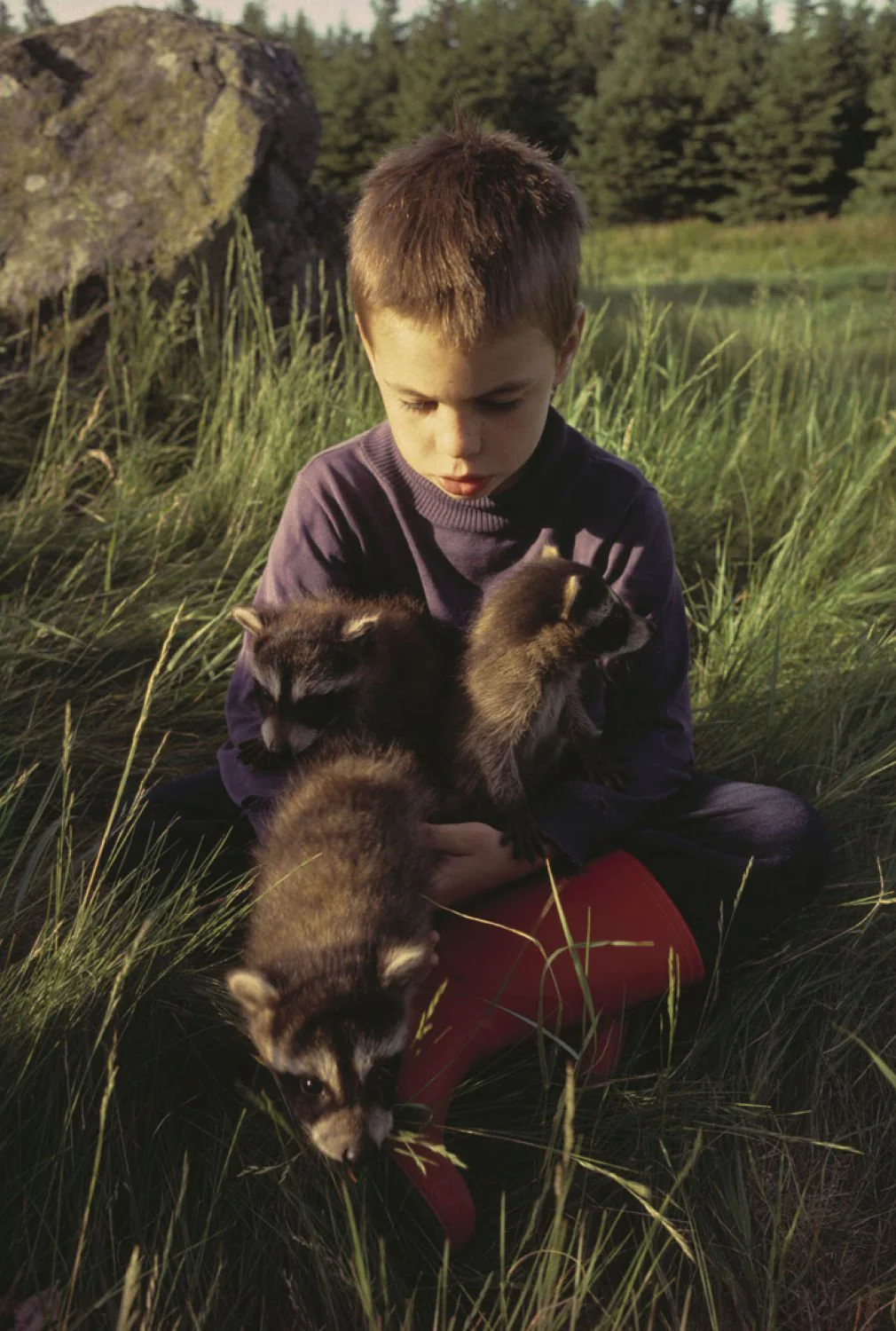
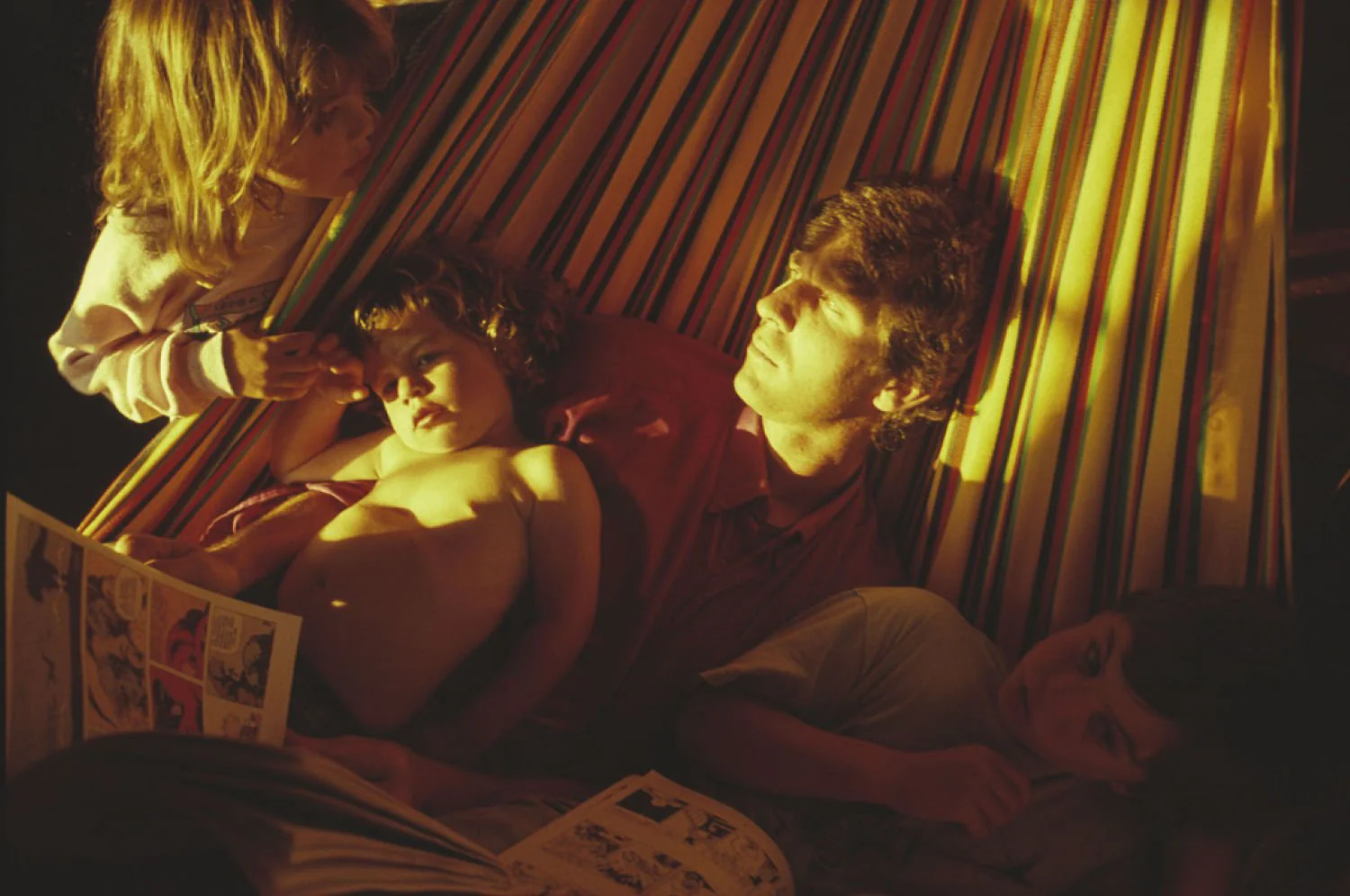
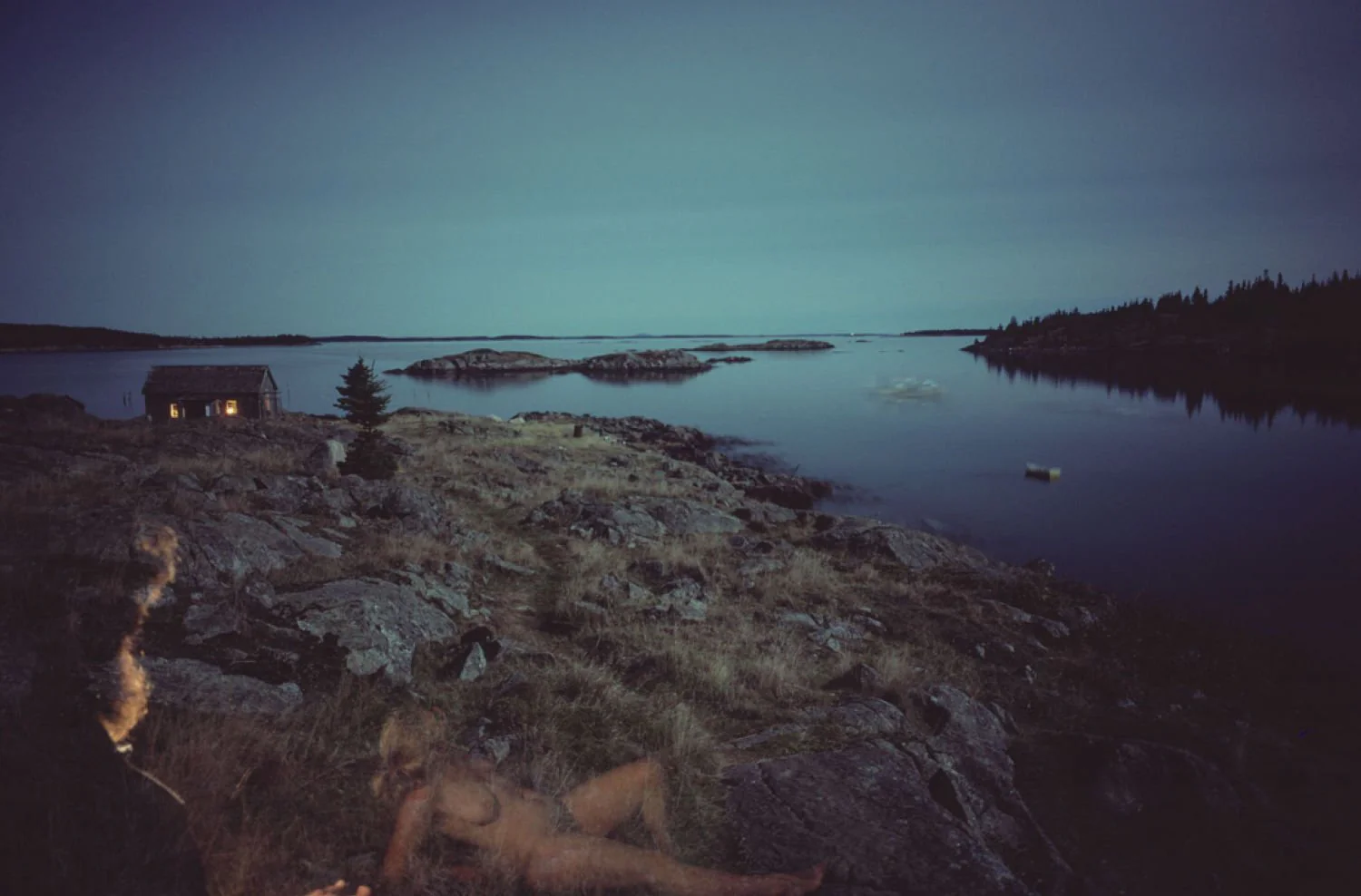
Over the years, I made annual visits to Jeff, spending time immersed in his archive—primarily Kodachrome slides housed in unassuming cardboard boxes. Through these images, I came to know the world as he had seen it. There was a profound lyrical quality to his photographs, particularly those depicting his wife and young children, who served as central figures in his visual narrative. His wife, in particular, appeared again and again in scenes of elemental intimacy: cultivating a garden, giving birth, walking through mist-laden fields, or standing unclothed at the sea’s edge. One image of her, poised at the ocean’s boundary, immediately evoked for me the statue of Kópakonan—the selkie of Faroese legend—caught between two worlds.

In time, her presence diminished in the work. When I asked Jeff about this shift, he responded with quiet finality: “My ex-wife left the island. We stayed.” The reference to selkie folklore—tales in which a seal-woman returns to the sea, abandoning the human life she once embraced—suddenly acquired a poignant relevance. His photographs, long imbued with a sense of wistful ambiguity, became unmistakably autobiographical. Dworsky’s story suggests that myth and memory are not opposing forces, but interwoven narratives—each capable of revealing truths the other cannot fully contain.

More Images



Sealskin by Jeff Dworsky
Jeff Dworsky exemplifies my ideal of an artist—someone wholly absorbed in the act of living, with image-making emerging as a natural residue of that experience. Our paths first crossed a decade ago in a modest coffee shop on an island in Penobscot Bay. Upon noticing my Leica, he remarked, “I used to shoot with a Leica.” That brief exchange marked the beginning of a friendship that would unfold through a shared reverence for photography and lived memory.
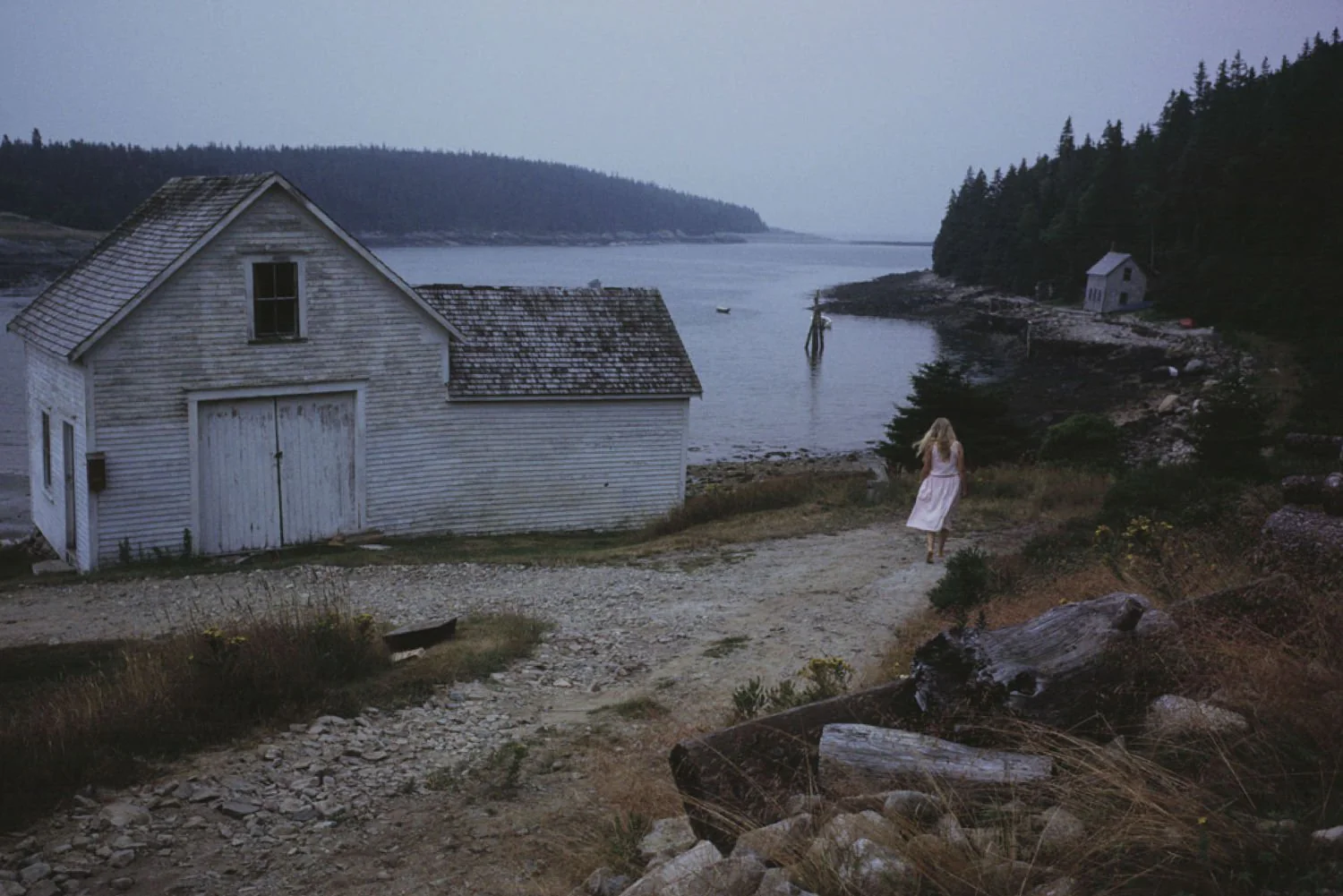
Over the years, I made annual visits to Jeff, spending time immersed in his archive—primarily Kodachrome slides housed in unassuming cardboard boxes. Through these images, I came to know the world as he had seen it. There was a profound lyrical quality to his photographs, particularly those depicting his wife and young children, who served as central figures in his visual narrative. His wife, in particular, appeared again and again in scenes of elemental intimacy: cultivating a garden, giving birth, walking through mist-laden fields, or standing unclothed at the sea’s edge. One image of her, poised at the ocean’s boundary, immediately evoked for me the statue of Kópakonan—the selkie of Faroese legend—caught between two worlds.
In time, her presence diminished in the work. When I asked Jeff about this shift, he responded with quiet finality: “My ex-wife left the island. We stayed.” The reference to selkie folklore—tales in which a seal-woman returns to the sea, abandoning the human life she once embraced—suddenly acquired a poignant relevance. His photographs, long imbued with a sense of wistful ambiguity, became unmistakably autobiographical. Dworsky’s story suggests that myth and memory are not opposing forces, but interwoven narratives—each capable of revealing truths the other cannot fully contain.
Product Information
Product Information
Shipping & Returns
Shipping & Returns
Description
Jeff Dworsky exemplifies my ideal of an artist—someone wholly absorbed in the act of living, with image-making emerging as a natural residue of that experience. Our paths first crossed a decade ago in a modest coffee shop on an island in Penobscot Bay. Upon noticing my Leica, he remarked, “I used to shoot with a Leica.” That brief exchange marked the beginning of a friendship that would unfold through a shared reverence for photography and lived memory.
Over the years, I made annual visits to Jeff, spending time immersed in his archive—primarily Kodachrome slides housed in unassuming cardboard boxes. Through these images, I came to know the world as he had seen it. There was a profound lyrical quality to his photographs, particularly those depicting his wife and young children, who served as central figures in his visual narrative. His wife, in particular, appeared again and again in scenes of elemental intimacy: cultivating a garden, giving birth, walking through mist-laden fields, or standing unclothed at the sea’s edge. One image of her, poised at the ocean’s boundary, immediately evoked for me the statue of Kópakonan—the selkie of Faroese legend—caught between two worlds.
In time, her presence diminished in the work. When I asked Jeff about this shift, he responded with quiet finality: “My ex-wife left the island. We stayed.” The reference to selkie folklore—tales in which a seal-woman returns to the sea, abandoning the human life she once embraced—suddenly acquired a poignant relevance. His photographs, long imbued with a sense of wistful ambiguity, became unmistakably autobiographical. Dworsky’s story suggests that myth and memory are not opposing forces, but interwoven narratives—each capable of revealing truths the other cannot fully contain.