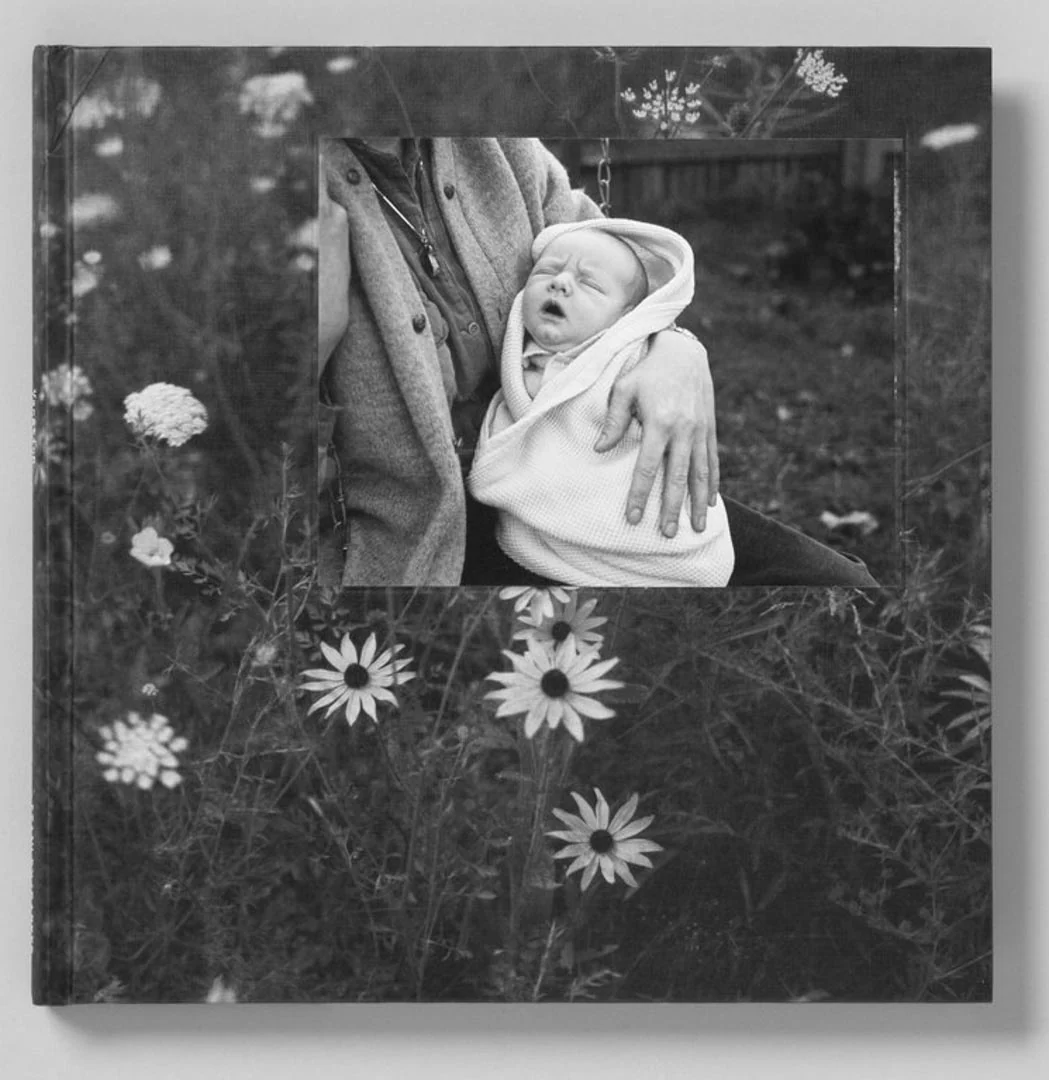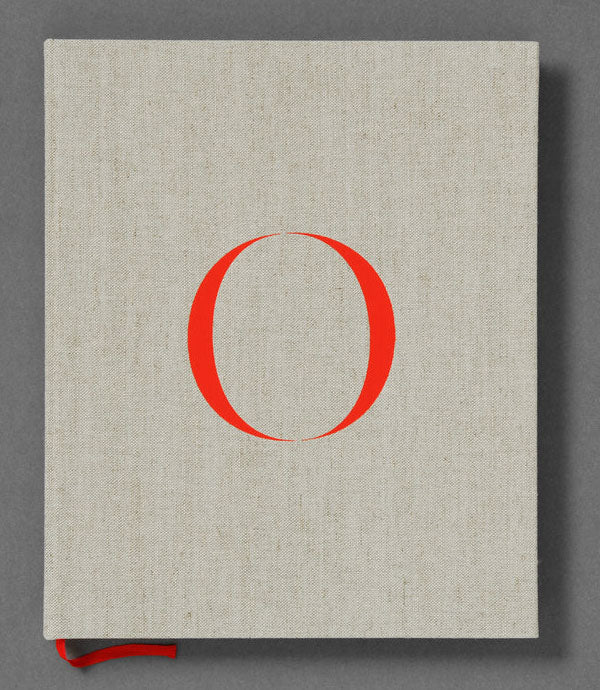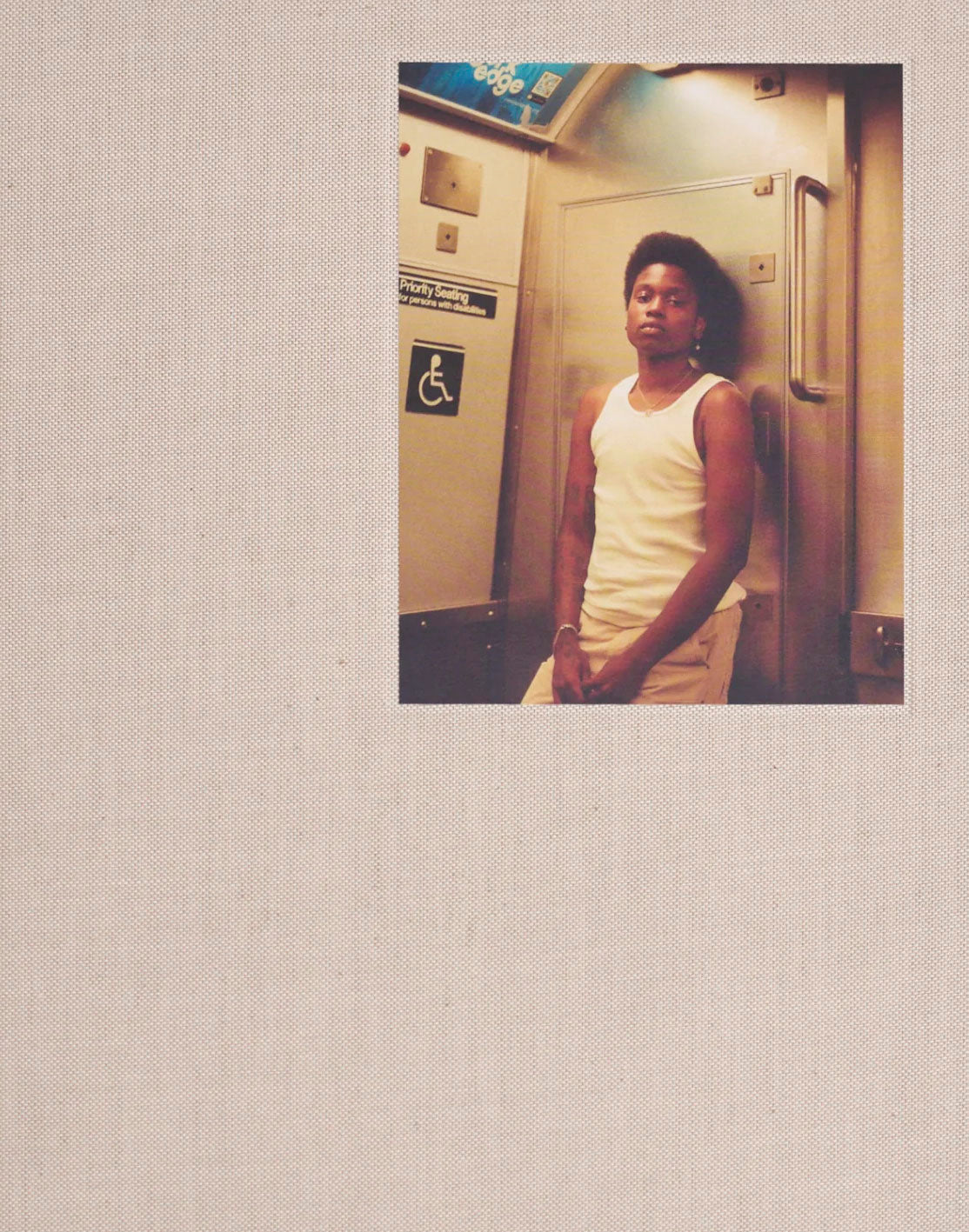
Tops by Lindsay Perryman
With a conversation between Lindsay and Collier Schoor
Black transmasculinity and top surgery aren’t just “personal journeys” — they’re lived inside networks of care that start long before anyone has language for them. Community, in this view, isn’t a vibe or a scene; it’s practical love: neighbors shoveling snow, someone on the block braiding your hair, people feeding you and checking on you when family can’t carry everything alone. Lindsay Perryman links that understanding to Bell Hooks’ idea of “communion” — care that isn’t confined to romance or even family, but shared and reciprocal. 
That same realism shapes how identity is held: sometimes quietly, sometimes openly, often without a dramatic “coming out” moment. There’s an honesty here about learning to live while other people adjust, about not needing everyone to know everything, and about unlearning the outsider’s gaze that tries to define queerness through performance or labels. When masculinity gets read as dominance, both interviewer and photographer push back toward nuance: “masc” can be soft, tender, playful, and fluid — a personal language more than a fixed role. Even “Tops” becomes a wink at expectation while refusing to be trapped by it. 
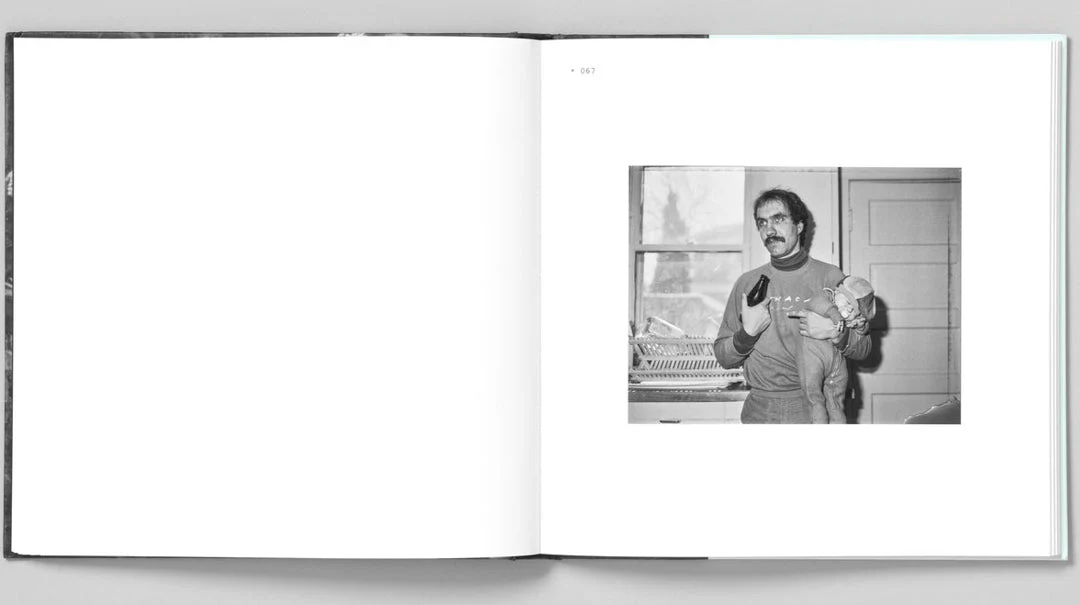
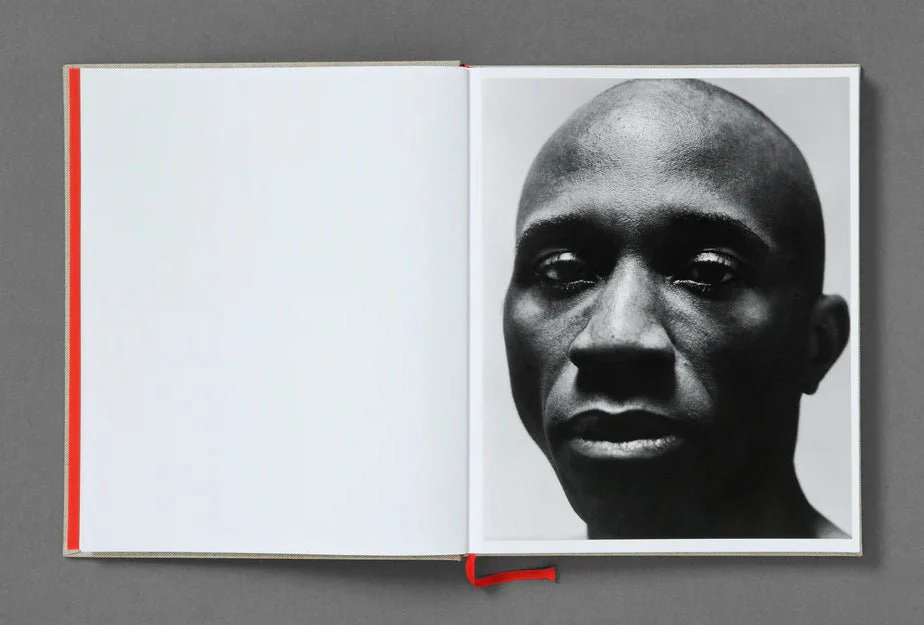
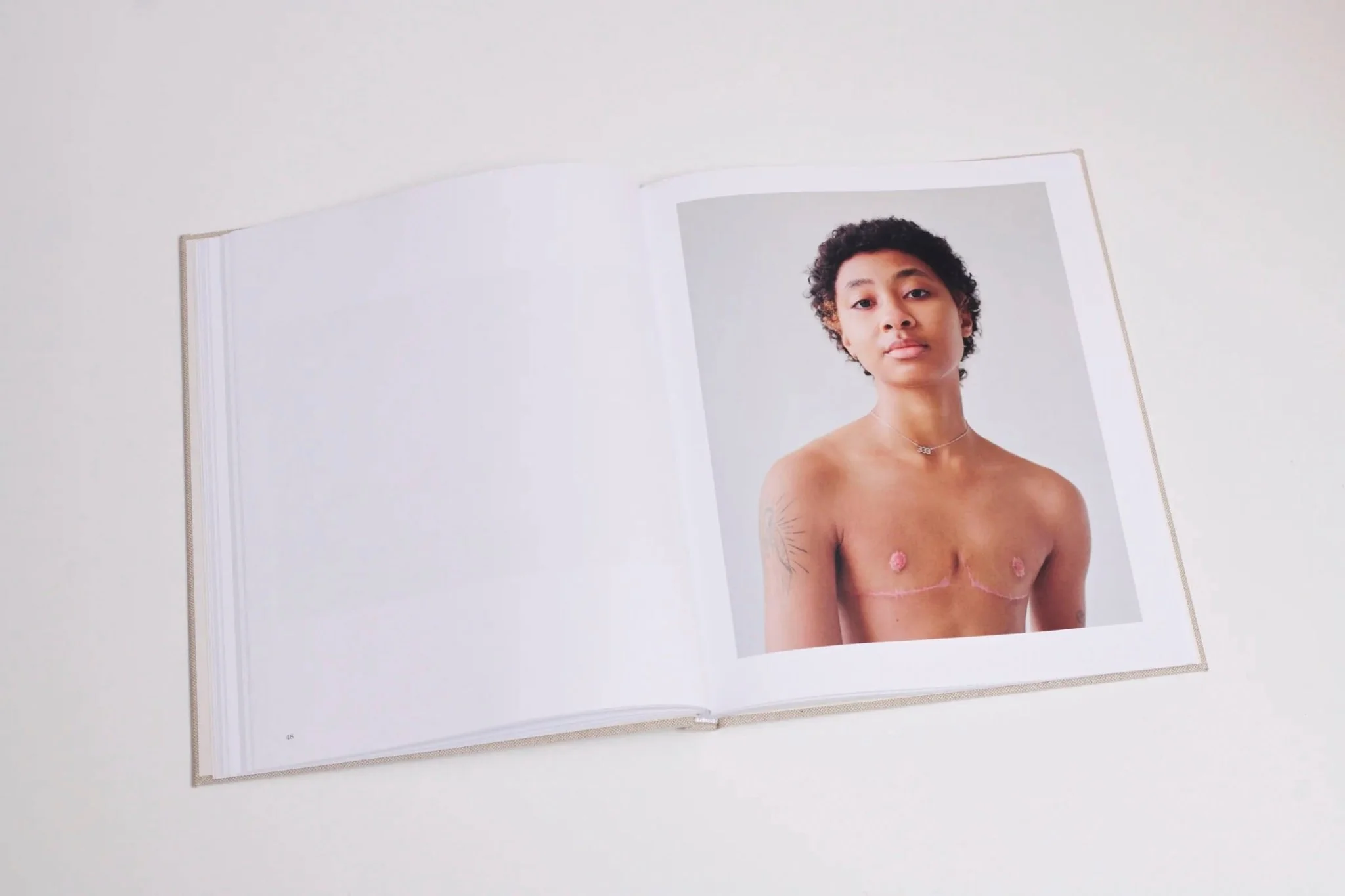
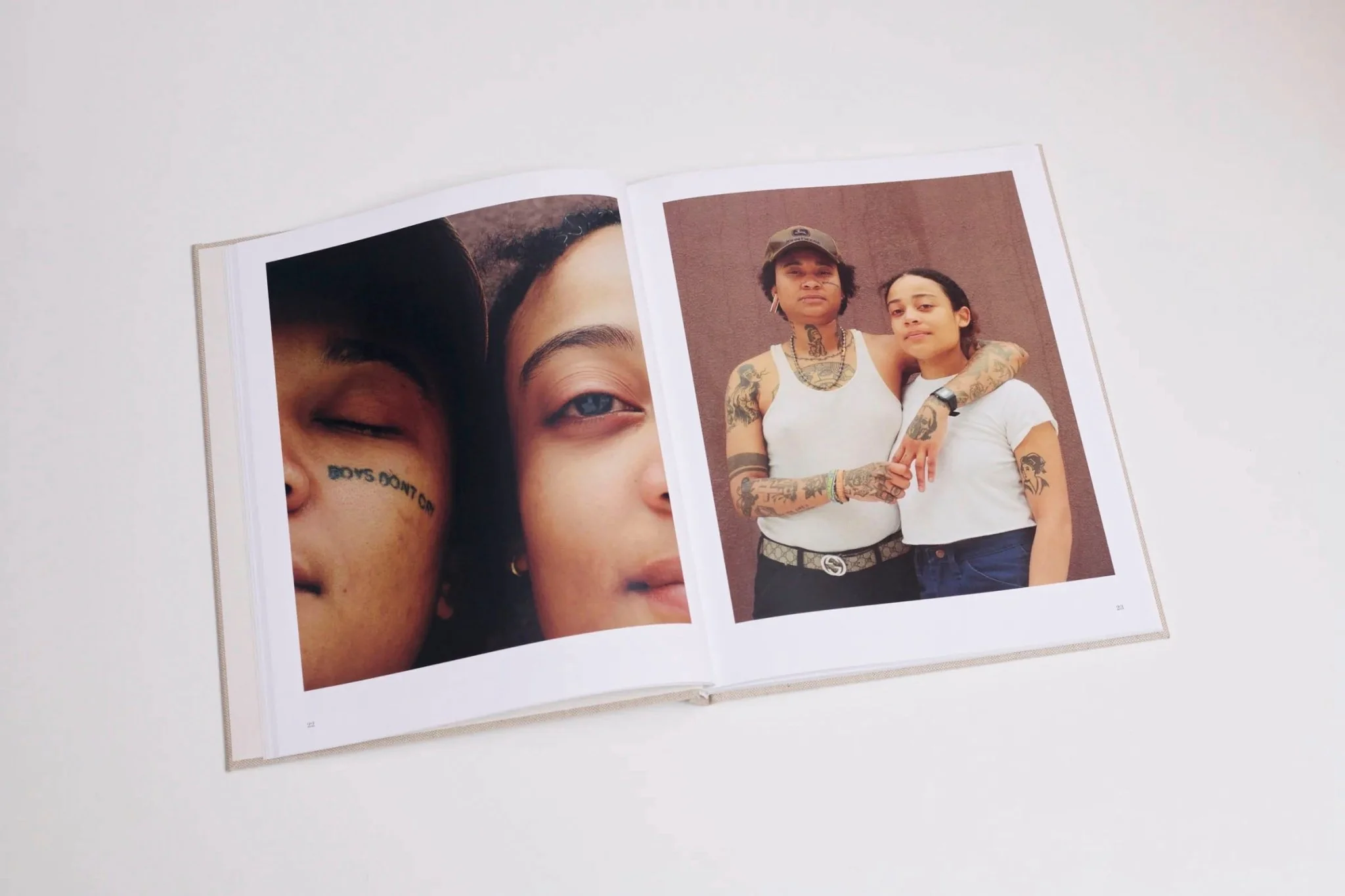
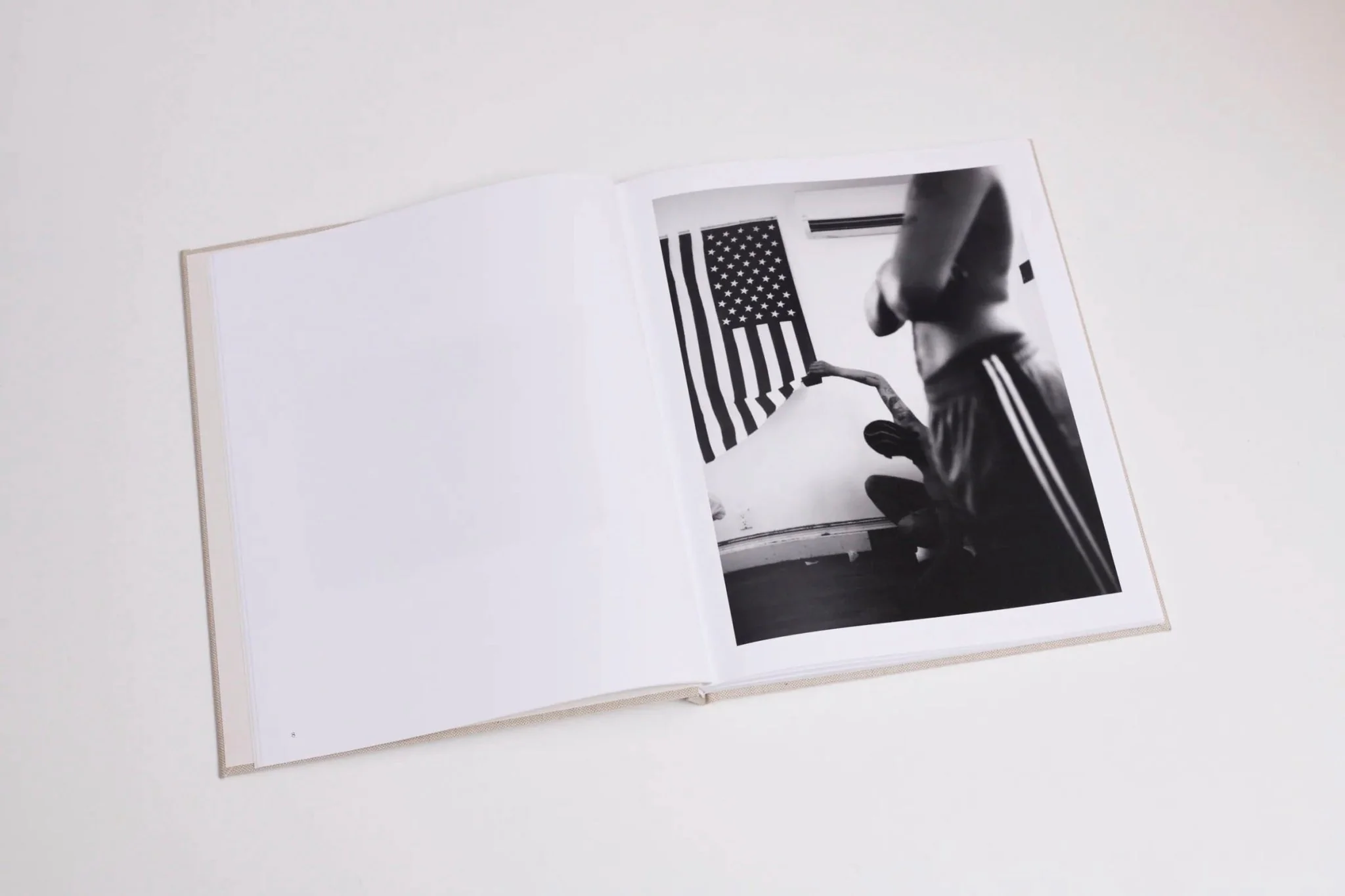
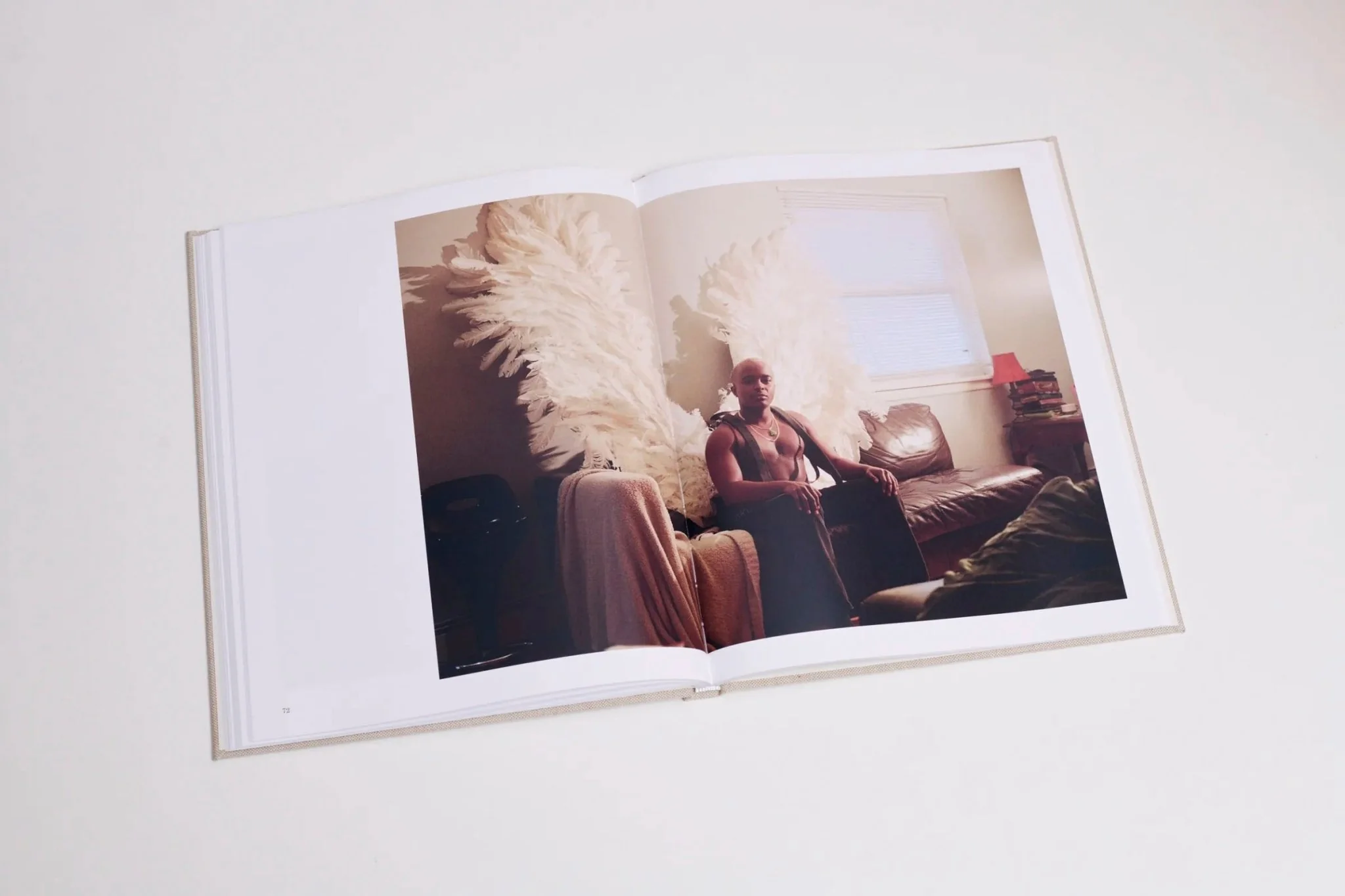
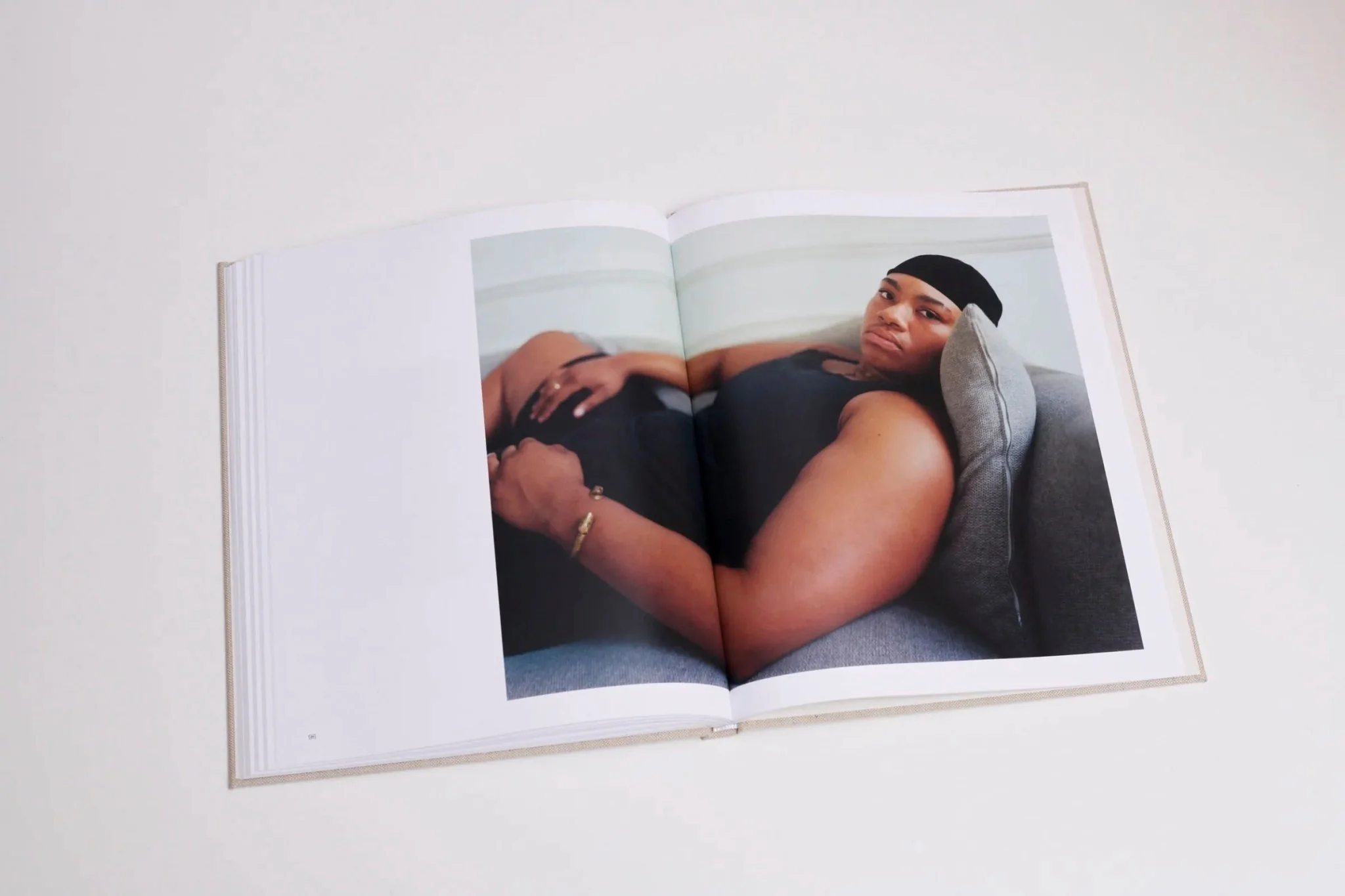
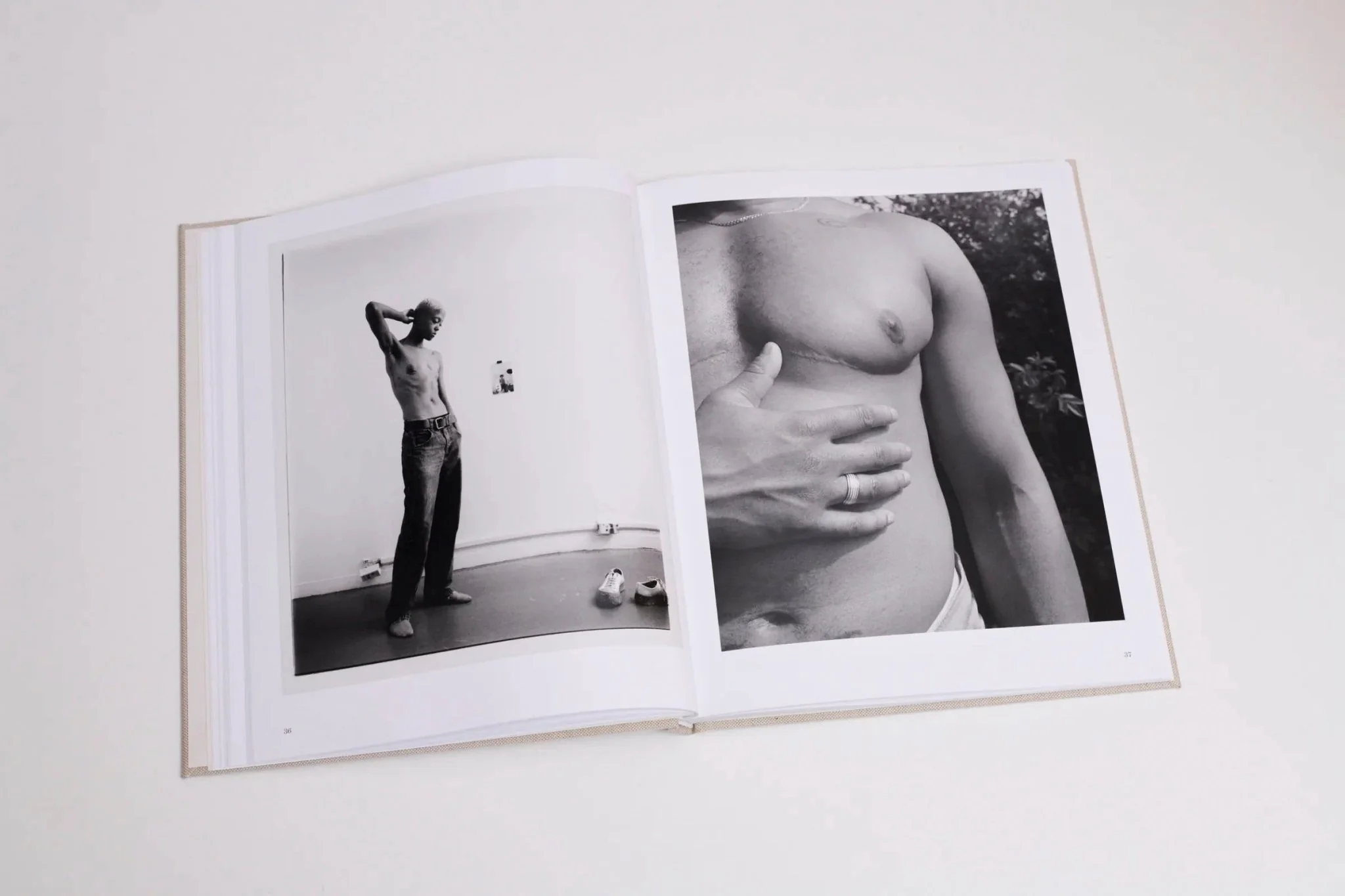
And then there’s the urgency of being seen in a way that doesn’t feel extractive. Perryman talks about why people show up to be photographed: because trans people deserve to see themselves tangibly — in print, in a mirror, in an image that doesn’t erase them. Collier Schorr names what that visibility can feel like when it’s done with care: a shared sweetness, an ease, a kind of self-portrait made through others — “they are you and you are them,” without collapsing anyone’s individuality. Stud culture enters as another layer of the same truth: a fusion of communities and histories, often more “accepted” in Black culture than people admit, though sometimes only through dismissive labels like “tomboy.” What’s being protected here is a living archive — not just bodies and identities, but the everyday tenderness and trust that make survival possible.
More Images
Tops by Lindsay Perryman
With a conversation between Lindsay and Collier Schoor
Black transmasculinity and top surgery aren’t just “personal journeys” — they’re lived inside networks of care that start long before anyone has language for them. Community, in this view, isn’t a vibe or a scene; it’s practical love: neighbors shoveling snow, someone on the block braiding your hair, people feeding you and checking on you when family can’t carry everything alone. Lindsay Perryman links that understanding to Bell Hooks’ idea of “communion” — care that isn’t confined to romance or even family, but shared and reciprocal. 
That same realism shapes how identity is held: sometimes quietly, sometimes openly, often without a dramatic “coming out” moment. There’s an honesty here about learning to live while other people adjust, about not needing everyone to know everything, and about unlearning the outsider’s gaze that tries to define queerness through performance or labels. When masculinity gets read as dominance, both interviewer and photographer push back toward nuance: “masc” can be soft, tender, playful, and fluid — a personal language more than a fixed role. Even “Tops” becomes a wink at expectation while refusing to be trapped by it. 
And then there’s the urgency of being seen in a way that doesn’t feel extractive. Perryman talks about why people show up to be photographed: because trans people deserve to see themselves tangibly — in print, in a mirror, in an image that doesn’t erase them. Collier Schorr names what that visibility can feel like when it’s done with care: a shared sweetness, an ease, a kind of self-portrait made through others — “they are you and you are them,” without collapsing anyone’s individuality. Stud culture enters as another layer of the same truth: a fusion of communities and histories, often more “accepted” in Black culture than people admit, though sometimes only through dismissive labels like “tomboy.” What’s being protected here is a living archive — not just bodies and identities, but the everyday tenderness and trust that make survival possible.
Product Information
Product Information
Shipping & Returns
Shipping & Returns
Description
With a conversation between Lindsay and Collier Schoor
Black transmasculinity and top surgery aren’t just “personal journeys” — they’re lived inside networks of care that start long before anyone has language for them. Community, in this view, isn’t a vibe or a scene; it’s practical love: neighbors shoveling snow, someone on the block braiding your hair, people feeding you and checking on you when family can’t carry everything alone. Lindsay Perryman links that understanding to Bell Hooks’ idea of “communion” — care that isn’t confined to romance or even family, but shared and reciprocal. 
That same realism shapes how identity is held: sometimes quietly, sometimes openly, often without a dramatic “coming out” moment. There’s an honesty here about learning to live while other people adjust, about not needing everyone to know everything, and about unlearning the outsider’s gaze that tries to define queerness through performance or labels. When masculinity gets read as dominance, both interviewer and photographer push back toward nuance: “masc” can be soft, tender, playful, and fluid — a personal language more than a fixed role. Even “Tops” becomes a wink at expectation while refusing to be trapped by it. 
And then there’s the urgency of being seen in a way that doesn’t feel extractive. Perryman talks about why people show up to be photographed: because trans people deserve to see themselves tangibly — in print, in a mirror, in an image that doesn’t erase them. Collier Schorr names what that visibility can feel like when it’s done with care: a shared sweetness, an ease, a kind of self-portrait made through others — “they are you and you are them,” without collapsing anyone’s individuality. Stud culture enters as another layer of the same truth: a fusion of communities and histories, often more “accepted” in Black culture than people admit, though sometimes only through dismissive labels like “tomboy.” What’s being protected here is a living archive — not just bodies and identities, but the everyday tenderness and trust that make survival possible.